Beyond the Screen: My Journey Through Japan’s Living Anime Landscape
It started, as these things often do, with a single, powerful image on a screen. For me, it wasn’t just the story of Spirited Away that captivated me, but the bathhouse itself—that impossible, labyrinthine structure rising from the water, steaming and alive. Years later, standing on the steps of Dōgo Onsen in Matsuyama, the real-life inspiration for that iconic setting, I felt a profound sense of arrival. The wooden architecture, the echoing halls, the faint smell of sulfur—it was all there, but layered with the quiet hum of everyday life. That moment crystallized a truth for me: anime isn’t just something you watch in Japan; it’s a lens through which you can experience the country itself. The line between the animated world and the physical one is often beautifully, intentionally blurred.
This is the magic of anime pilgrimage, or seichi junrei (聖地巡礼)—literally, “holy land pilgrimage.” It’s the practice of traveling to locations that have been featured in or inspired anime, manga, and games. Over multiple trips, I’ve moved from a casual fan ticking off locations to someone who genuinely appreciates these places as cultural intersections. It’s less about collecting stamps and more about understanding how these stories are woven into the fabric of Japan’s towns, cities, and countryside.
From Background Art to Tourist Destination: A Brief History
The relationship between anime and location isn’t new. Hayao Miyazaki and Studio Ghibli have long been masters of this, drawing from real Japanese and European landscapes to build their worlds. But the practice exploded in the 2000s with the rise of the “location hunt” community online. Fans would meticulously match frames from slice-of-life anime to their real-world counterparts, sharing their findings on forums and blogs.
Local governments and tourism boards, initially perplexed, quickly saw the potential. A watershed moment was the 2011 anime Ano Hi Mita Hana no Namae o Bokutachi wa Mada Shiranai (Anohana). Set in the real city of Chichibu in Saitama Prefecture, it depicted specific streets, shops, and the local festival with stunning accuracy. Fans flocked there, and the city embraced them, creating maps, selling character-themed goods, and even installing a replica of the characters’ secret base. The economic and cultural impact was undeniable, proving that anime tourism was a sustainable force, not just a fleeting trend.
Today, it’s a sophisticated ecosystem. There are official collaboration guides, goshuin (temple stamps) featuring anime characters, and even local trains wrapped in anime liveries. The “how” of it works on multiple levels, from the intentional to the serendipitous.
How the Magic is Made: The Technical Art of Blending Worlds
At its core, the process is deceptively simple: animators use real locations as references for background art. But the intent behind it varies dramatically.
The Photorealistic Slice-of-Life: Series like Hibike! Euphonium (Uji, Kyoto) or Sakura Quest (Nanto, Toyama) are the gold standard. Studios like Kyoto Animation send artists on location scouting trips to photograph every angle. The result is a one-to-one match. You can stand at the exact spot, hold up a screenshot, and see the world come alive. The lighting, the season, even the wear on a lamppost is replicated. This creates an incredibly powerful sense of immersion for the pilgrim.
The Inspired Amalgamation: This is where Ghibli excels. Take My Neighbor Totoro. The Sayama Hills in Tokorozawa, Saitama, are its spiritual home, but the lush, rolling countryside is an idealization of 1950s rural Japan rather than a specific map point. It captures a feeling of a place and time. Similarly, the iconic red torii gates of Your Name’s Miyamizu Shrine are based on the Suga Shrine steps in Tokyo, but the breathtaking vista behind them is a fictional blend.
The Thematic Backdrop: Some locations are chosen purely for their atmosphere. The haunting, abandoned island of Gunkanjima (Battleship Island) provided the perfect post-apocalyptic feel for Attack on Titan and Psycho-Pass. It’s not about replicating a street corner; it’s about borrowing an overwhelming sense of place to serve the story’s mood.
More Than Just Photos: The Real-World Application and Ripple Effect
The impact of this goes far beyond a cool Instagram post. For many rural towns facing depopulation and economic decline, an anime feature can be a lifeline.
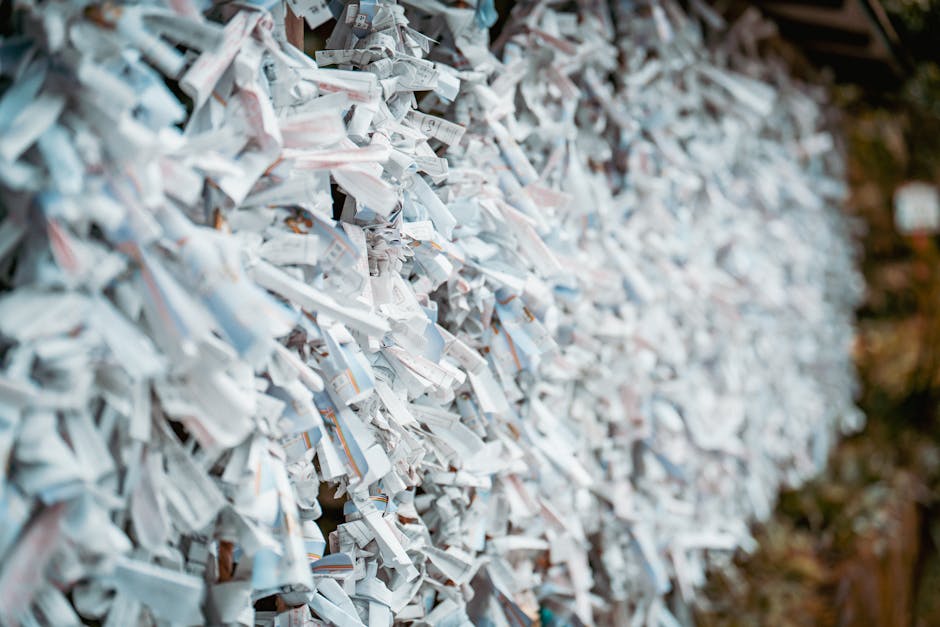
Case Study: Washimiya and Lucky Star: This small town in Saitama became a pilgrimage site after the 2007 anime Lucky Star, which was set there. The local Washinomiya Shrine saw visitor numbers skyrocket from a few hundred on New Year’s to over 450,000. Local shops began selling character-themed omamori (charms) and ema (prayer plaques). The town didn’t just get tourists; it got a new identity and a sustainable revenue stream that continues over a decade later.
Case Study: The Shirobako Effect: The anime Shirobako, about making anime, featured a fictional town based on Musashino and Mitaka in Tokyo. In a beautiful meta-twist, the local tourism association created a real-world pilgrimage route to the locations shown in the anime about making anime. It celebrated the actual industry and its workers, creating a deeper, more respectful connection with fans.
The application is also deeply personal. I’ve seen groups of friends reenact scenes, couples on quiet dates at spots from romance anime, and solo travelers finding a profound connection to a story by walking in its footsteps. It transforms passive viewing into active, physical participation.
The Double-Edged Sword: Advantages and Inevitable Pitfalls
The advantages are clear: economic revitalization, global cultural exchange, and a beautiful new way to engage with art. But it’s not without its challenges.
The Pitfalls (And How I’ve Learned to Avoid Them):
The Disappointment of Mismatched Expectations: Not every location is a pristine match. Buildings get renovated, trees are cut down, and that perfect, empty shot from the anime is often a busy intersection. My mistake: Early on, I rushed to a spot from a film, expecting a serene moment, only to find a crowded parking lot. The fix: Research the current state of the location through recent pilgrim blogs or Google Street View. Embrace the changes as part of the location’s own story.
The “Checklist” Mentality: It’s easy to fall into a trap of rushing from one spot to the next, phone in hand, only to collect photos without actually being there. I’ve done it. You end up tired and remember nothing but train schedules. The fix: Choose one or two key locations per day. Spend time there. Have a coffee at the featured café. Talk to a local shopkeeper. Let the place exist outside of its anime connection.
Respecting the Non-Fans: This is the most crucial point. These are real towns with real residents. Blaring anime music, blocking sidewalks for photo shoots, or treating private property as a theme park is unacceptable. The golden rule: Be a respectful tourist first, and an anime fan second. Keep your voice down, follow local rules, and spend money at the local businesses that welcome pilgrims.
Over-Commercialization: Sometimes, the charm can be suffocated by too much merchandise or gimmicky attractions that feel inauthentic. It’s a delicate balance for communities to maintain.
Standing in the Footsteps: A Personal Comparison
How does this compare to, say, visiting a famous movie set at a universal studio? The difference is night and day. A studio backlot is a constructed fantasy, removed from context. Anime pilgrimage is about finding fantasy within reality. The charm is in the juxtaposition—the ordinary train station that becomes extraordinary because it’s where your favorite character waited every morning. It requires more work and imagination, but the reward is a much deeper, more personal connection to both the artwork and Japan itself.
Looking Forward: The Evolving Pilgrimage
The future of anime places in Japan is fascinating. We’re seeing more official collaborations that benefit both studios and locales. Augmented Reality (AR) apps are starting to appear, allowing you to view character cutouts or animations overlaid on the real location through your phone—a digital layer on the physical pilgrimage.
But for me, the most exciting trend is the diversification. It’s not just about the mega-hits anymore. Lesser-known series set in specific regions are being used for “cool Japan” soft power and regional promotion. There’s a growing appreciation for the background artists themselves, the unsung heroes who paint these worlds into existence.
My journey through these landscapes has taught me to see Japan with a dual lens. I now notice the specific curve of a roof, the pattern of a manhole cover, or the quality of the afternoon light in a suburban lane—details I would have once overlooked. Anime pilgrimage, at its best, doesn’t just take you to the locations of stories you love; it trains you to see the inherent stories in all locations. It’s a reminder that the worlds we cherish in fiction are, in some way, always reflections of our own, waiting to be rediscovered with a more observant eye.
So, if you ever find yourself on a quiet street in a Japanese town, and a strange sense of déjà vu washes over you, don’t dismiss it. Pull out your phone, do a quick search. You might just be standing in a frame of someone else’s beloved story, and your own adventure is only just beginning.