The Art of the Yen: How I Learned to Travel Japan on a Shoestring (and Why It’s the Best Way to See the Country)
Let’s be honest: my first trip to Japan was a financial disaster. I arrived wide-eyed, armed with a guidebook that seemed to assume I had a corporate expense account. I took the shinkansen everywhere on impulse, ate at the first ramen shop I saw in Ginza (it was fine, but cost ¥1,800), and booked hotels through an international portal that added a hefty “convenience” fee. I had an incredible time, but when I got home, my bank statement looked like it had been in a fight. I knew there had to be a better way.
That experience sparked a minor obsession. Over the next decade, I returned to Japan again and again, each time with a tighter budget and a sharper eye for value. What began as necessity transformed into a preference. I discovered that traveling cheaply in Japan isn’t just about saving money—it’s a backstage pass. It forces you out of the tourist bubbles, into local life, and into experiences you’d never find on a prepackaged tour. This isn’t about deprivation; it’s about smart, intentional travel that stretches your yen and deepens your connection to this fascinating country.
The Lay of the Land: Why Japan Feels Expensive (And How to Disprove It)
Japan’s reputation for being prohibitively expensive is a stubborn myth, born from the bubble economy era of the 1980s and the high-profile costs of bullet trains and luxury ryokan. While those things exist, the country has quietly built one of the world’s most robust and accessible budget travel infrastructures. The rise of low-cost carriers (LCCs) like Peach and Jetstar in the 2010s blew open the skies. Simultaneously, the internet allowed a new generation of guesthouses, capsule hotels, and food bloggers to connect directly with travelers, bypassing expensive middlemen.
The key is understanding the Japanese concept of kōritsusei—efficiency and cost-performance, often shortened to “CP.” Japanese consumers are famously value-conscious. The entire economy is built on providing excellent quality at specific price points. Your mission as a budget traveler is to tap into that system. It’s not about finding the cheapest thing; it’s about finding the high-CP option—the ¥1,100 teishoku (set meal) that’s more satisfying and authentic than the ¥3,000 tourist-trap sushi, or the ¥6,000 business hotel that’s cleaner and better-located than the ¥12,000 “bargain” on Booking.com.
The Engine Room: How Budget Travel in Japan Actually Works
The mechanics of cheap travel here are a beautiful interplay of technology, tradition, and common sense. At its core, it’s about mastering a few key systems.
Transportation: The Rail Pass Dilemma and Beyond The Japan Rail Pass is the elephant in the room. For my first trip, it was a no-brainer. Now? It’s a complex calculation. The significant price hikes in 2023 changed the game. The pass is now a specialist tool, not a default. For a whirlwind Tokyo-Kyoto-Hiroshima-Tokyo trip in seven days, it might still squeak in as worthwhile. But for slower, more regional travel, you can often do better.
The real magic is in regional passes and discount tickets. JR East’s Nagano-Niigata pass, for example, is a goldmine for exploring the Japanese Alps. Seishun 18 Kippu, a seasonal ticket offering five days of unlimited travel on local JR trains, is a rite of passage for patient travelers and students—it’s how I had an unforgettable slow journey along the coast of the Sea of Japan. For city travel, a rechargeable IC card (Suica, Pasmo) is non-negotiable. It’s not just for trains and subways; I use mine at convenience stores, vending machines, and even lockers.
And don’t sleep on buses. Willer Express and other overnight bus services are a CP champion. A night bus from Tokyo to Kyoto can cost as little as ¥4,000, saving you a night’s accommodation. It’s not the shinkansen, but with a good neck pillow, it’s a quintessential budget experience.
Accommodation: Beyond the Capsule Capsule hotels are a fun novelty, but for stays longer than one night, I prefer guesthouses (minshuku) or budget business hotel chains. Places like Toyoko Inn, APA Hotel, or Dormy Inn offer spotless, tiny rooms with free breakfast (often decent rice balls and miso soup) and—crucially—free laundry facilities. I learned to always pack light and do laundry mid-trip.
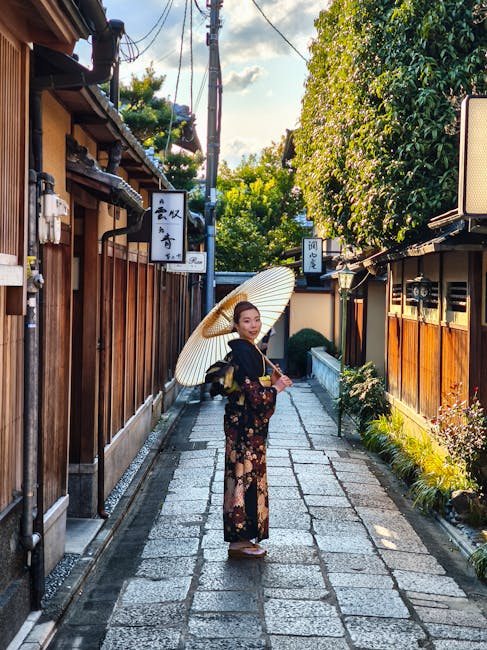
My favorite discoveries, however, have been in the world of budget guesthouses and hostels. In Kanazawa, I stayed in a family-run minshuku where the obaasan (grandmother) insisted on teaching me how to properly fold a futon. In Koyasan, temple lodging (shukubō) provided a vegetarian feast and morning prayers for less than a city hotel. These places aren’t just beds; they’re cultural exchanges.
The Holy Grail: Eating Well for Less Japanese food culture is the budget traveler’s best friend. My number one rule: Follow the salarymen. If a restaurant has a line of locals in suits at lunch, get in that line. The teishoku (lunch set) is the country’s greatest culinary hack. For ¥1,000-¥1,500, you get a main dish, rice, miso soup, pickles, and sometimes a small salad or dessert. I’ve had some of my best meals this way.

Convenience stores (konbini) are a legitimate food group. 7-Eleven, FamilyMart, and Lawson have evolved. Their onigiri (rice balls), sandwiches, and prepared salads are fresh, delicious, and cheap. A konbini breakfast of onigiri, coffee, and fruit is a ¥500 ritual.
For dinner, look for izakaya chains like Torikizoku, where every dish and drink is ¥330. Or, explore department store basements (depachika). Just before closing (around 7-8 PM), they slash prices on exquisite bento boxes and sushi platters. Scoring a ¥1,500 sushi bento for ¥700 feels like winning the lottery.
Case Study: A Two-Week Budget Honeymoon
To make this concrete, let’s talk about my most rewarding trip: a two-week “budget honeymoon” with my partner. We flew into Fukuoka on a cheap LCC ticket. We spent three days exploring the city’s yatai (food stalls), eating tonkotsu ramen for ¥700 a bowl. We then used a 5-day Northern Kyushu JR Pass (which was still excellently priced) to hop between Beppu’s hells, the artisans of Arita, and Nagasaki’s history.
We stayed in a mix of business hotels and a stunning, family-run ryokan in Kurokawa Onsen that we splurged on by saving elsewhere. We ate from konbini, department stores, and local izakaya. We took local trains, soaking in the scenery. The total cost per person, including flights from Southeast Asia, was under ¥250,000. A similar trip booked through conventional channels could have easily doubled that, and we’d have missed the joy of discovering a tiny, packed okonomiyaki joint in a Hiroshima backstreet because it was the only place with seats.
The Trade-Offs: What You Gain and What You Compromise
The advantages are profound. Depth over breadth: You stay longer in fewer places, understanding their rhythm. Authenticity: You interact with locals at standing sushi bars, sento (public baths), and neighborhood bars. Resourcefulness: You develop a new skill set and the confidence that comes with it. Sustainability: Slower travel has a lower carbon footprint.
But it’s not all cherry blossoms. The disadvantages are real. Time vs. Money: You will spend more time in transit on a local train than on the shinkansen. A 2.5-hour bullet train ride becomes a 5-hour local journey. Planning Load: Spontaneity is costly. The best budget deals require research and booking in advance. Physical Comfort: Budget business hotel rooms are small. Overnight buses can be rough. You walk a lot. Missing Out: You might have to skip that famous, expensive kaiseki meal or the robot restaurant show (though some would call that a win).
Pitfalls and How to Sidestep Them: Lessons from My Mistakes
I’ve made every mistake so you don’t have to.
- The “Just One More Trip” Taxi: My biggest budget bleed was always the “tired taxi.” A few ¥2,000 cab rides can obliterate a week of careful ramen budgeting. Solution: Use hyper-accurate apps like Japan Travel by Navitime or Google Maps, which tell you exactly which train car to board for the smoothest transfer. Know the last train times (usually around midnight).
- The Convenience Store Spiral: It’s easy to pop into a 7-Eleven for “just a snack” and walk out having spent ¥2,000 on random, delicious junk. Solution: Withdraw a set daily cash allowance. Japan is still a cash society for small vendors, and physically seeing your money deplete is a powerful regulator.
- Over-Optimizing with Rail Passes: I once bought a nationwide JR Pass for a trip that was mostly in Kyushu. I lost money. Solution: Use a calculator like JR Pass Calculator or do the math yourself on Hyperdia (RIP) or Jorudan. Be brutally honest about your itinerary.
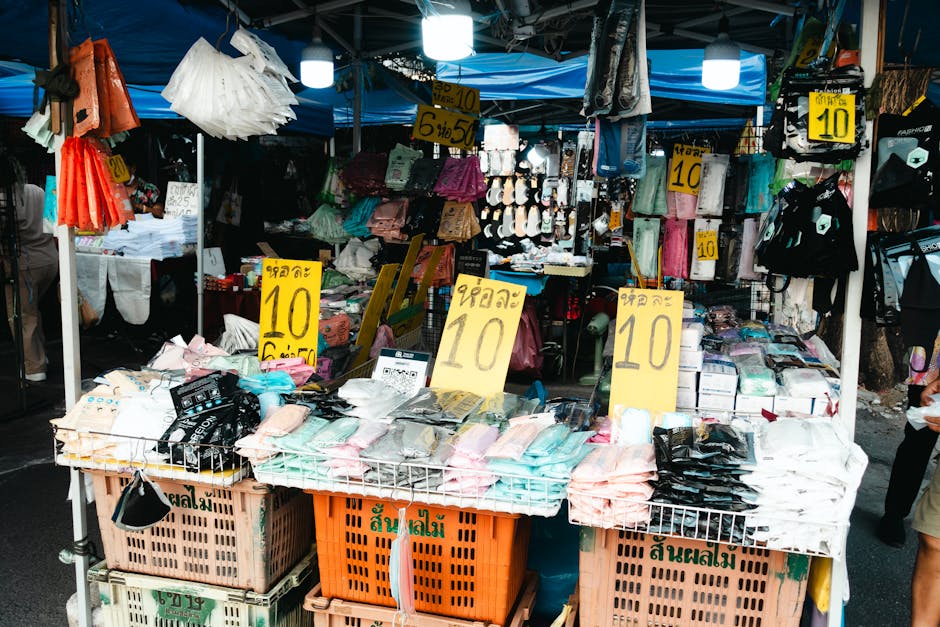
- Ignoring the 100-Yen Shop: Daiso, Seria, Can Do—these are your arsenal. Need a rain poncho, chopsticks, socks, or snacks? It’s all ¥110 (tax included). I didn’t discover them until my third trip, and I’d been overpaying for everything.
The Road Ahead: The Future of Frugal Travel in Japan
The landscape is shifting. Cashless payments are finally taking off, with PayPay and other QR code services offering promotions. This will make small transactions easier, though cash will remain king in rural areas for a while. Airbnb’s regulatory rollercoaster has stabilized, offering more local, affordable stays outside major hubs.
The most exciting trend is the government’s push for regional tourism. Discounted travel campaigns, like the ongoing “Welcome SUZUKI” program (replacing Go To Travel), are becoming more common to disperse tourists beyond Tokyo and Kyoto. For the savvy traveler, this means even better deals on transportation and lodging in incredible, less-visited prefectures like Tottori, Shimane, or Aomori.
Furthermore, a new wave of “smart” budget accommodations is emerging—pod hotels with premium amenities, guesthouses with co-working spaces catering to digital nomads. The definition of “budget” is evolving from “barebones” to “high-CP chic.”
Traveling Japan on a budget taught me more about the country than any museum ever could. It taught me about seikatsu—everyday life. It taught me that the best moments often cost nothing: watching the morning fish auction at a local port, hiking a mountain path behind a temple, or sharing a laugh with a shopkeeper as you mime your way through a transaction.
It’s a mindset. You’re not a impoverished visitor; you’re a temporary local, navigating the same systems and seeking the same value. You trade the glossy, seamless tourist experience for something grittier, more real, and infinitely more memorable. So pack light, get a Suica card, and remember: the best sushi I ever had wasn’t at a Michelin-starred counter in Ginza. It was from a revolving belt in a local chain shop, at 2 PM on a Tuesday, for ¥1,500, and it was perfect. Your adventure, and your perfect, affordable moment, is waiting.