The Art of the Tokyo Escape: Finding Japan’s Soul Just Beyond the City Limits
I’ll never forget the first time I truly escaped Tokyo. I’d been living in the city for about six months, caught in the glorious, neon-drenched whirlwind of Shibuya Crossing, endless izakayas, and the comforting, crowded anonymity of the Yamanote Line. It was exhilarating, but a low-grade hum of fatigue had settled in—a feeling that my entire experience of Japan was being filtered through skyscrapers and salarymen. On a whim, I bought a ticket for a local train heading west, with no real destination in mind. An hour later, I was standing on a quiet forest path in Kamakura, the only sounds being the rustle of ancient cedar trees and the distant, rhythmic clang of a temple bell. The contrast was so profound it felt like stepping through a portal. That’s when I understood: Tokyo isn’t Japan. It’s the dazzling, dynamic gateway to it. The real magic often begins where the city’s gravitational pull ends.
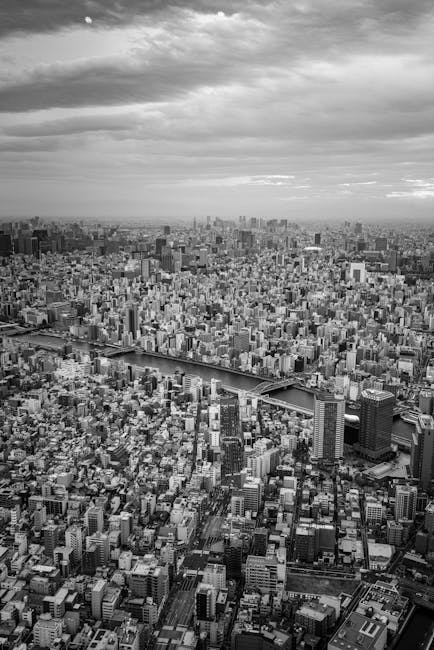
For over a decade now, guiding friends, family, and myself on these escapes has become a personal passion. It’s not just about sightseeing; it’s about narrative. Tokyo tells one story—of hyper-modernity, relentless innovation, and condensed living. The day trip lets you add chapters on history, spirituality, nature, and craftsmanship. It’s the difference between reading a book’s introduction and diving into its richest chapters.
The Lay of the Land: Understanding Your Escape Routes
Tokyo’s genius for day trips lies in its infrastructure. The city is less a single point and more the central hub of a vast, precise wheel. Understanding this radial layout is your first step. The key players are the Japan Rail (JR) network, notably the JR East Pass for foreign tourists, and the ever-reliable, often more direct private railway lines like Tobu, Odakyu, and Keisei.
My personal philosophy has crystallized into two approaches. First, the Shinkansen Sprint: using the bullet train to cover serious distance for a taste of a completely different region. Think hitting the historical heart of Kyoto for a curated, whirlwind day (yes, it’s possible and utterly worth it for a specific hit-list) or sampling the street food culture of Osaka. Second, the Local Line Immersion: taking a slower, cheaper local or express train to a destination within 60-120 minutes. This is where you find the quieter gems—the coastal towns, the mountain onsens, the rural villages.
A critical piece of hard-won advice: always, always check the last train back. Not the second-to-last. The absolute last. I learned this the hard way in Hakone, watching the final romance car pull away as I stood, onsen-relaxed and suddenly very alert, realizing my alternative was a ¥25,000 taxi ride or a very long night in a bus station. The rhythm of a Japanese day trip is set by the train schedule; let it be your framework, not your downfall.
Curated Escapes: From Temples to Tastes
Let’s move from theory to practice. Here are a few of my favorite narratives, each offering a distinct counterpoint to Tokyo.
Kamakura: The Samurai’s Seaside Sanctuary Just an hour south on the JR Yokosuka Line, Kamakura is the most accessible history lesson you’ll ever take. As the shogunate capital in the 12th-14th centuries, it’s dotted with over 100 temples and shrines. The giant bronze Buddha (Daibutsu) at Kotoku-in is the rightful star, but my heart belongs to the quieter Hase-dera temple with its panoramic ocean views and thousands of tiny Jizo statues. Don’t just temple-hop, though. Wander the Komachi-dori shopping street for local sweet potato soft-serve, and if the weather’s warm, take a short train to the surf town of Enoshima. The view of Mount Fuji from the Enoshima Sea Candle on a clear day is a postcard come to life. It’s a perfect blend of culture and casual coastal vibe.
Nikko: Baroque Opulence in the Mountains If Kamakura is serene, Nikko is spectacular. Two hours north via the Tobu Railway, it’s a UNESCO World Heritage site that screams drama. The Toshogu Shrine, the resting place of Tokugawa Ieyasu, is a masterpiece of kiwari woodworking—a riot of gold leaf, intricate carvings (including the famous “see no evil, hear no evil, speak no evil” monkeys), and overwhelming detail. It’s the antithesis of the typical minimalist Japanese aesthetic. Pro-tip: Go on a weekday. On weekends, the crowds can be overwhelming. After the shrine, take a local bus up into the mountains to see the majestic Kegon Falls and the serene Lake Chuzenji. The shift from ornate human creation to raw natural beauty within a few miles is breathtaking.
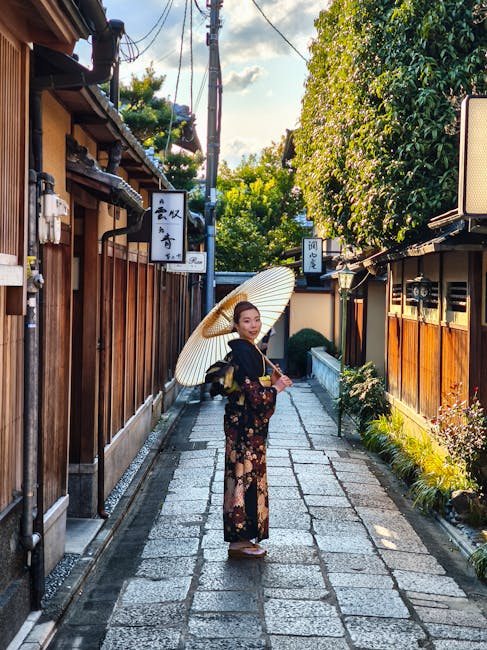
Kawagoe: “Little Edo” on a Slow Burn For a time-travel experience without the long train ride, head to Kawagoe in Saitama, just 30 minutes from Ikebukuro. Its preserved kurazukuri (clay-walled warehouse) district makes you feel like you’ve stepped onto a jidaigeki (period drama) set. The main street is lined with these majestic, blackened buildings housing sweet shops, sake breweries, and craft stores. The highlight here is the sensory experience: sampling traditional candies, buying sweet potato-themed everything (it’s the local specialty), and hearing the bell of the Toki no Kane tower chime across the old town. It’s less about grand sights and more about atmosphere—a slow, sweet immersion into an older Japan.
Yokohama: The Cosmopolitan Counterpoint Often dismissed as just another city, Yokohama deserves a category of its own. It’s a 30-minute train ride from Tokyo Station, but it feels like a different world. As Japan’s primary port opened to the West, it has a uniquely international flavor. Spend an afternoon wandering the red-brick warehouses of Minato Mirai, now a chic shopping and dining complex, visit the fascinating Cup Noodles Museum where you can design your own instant ramen, and cap it off in Chinatown—the largest in Japan—for a gluttonous feast. Yokohama at night, with its waterfront Ferris wheel and the illuminated Cosmo Clock 21, offers a skyline that rivals Tokyo’s but with a more relaxed, maritime energy.
The Deeper Dive: Lessons from Onsen Towns and Art Islands
Beyond these classics, the day trip can become a platform for more specialized interests.
Take Hakone. It’s on every list for its views of Fuji and its onsen (hot spring) culture. But the classic “Hakone Loop” (train, cable car, ropeway, pirate ship) can feel like a conveyor belt of tourists. My learned alternative? Pick one area and savor it. Skip the crowded Owakudani boiling valley and instead book a ryokan (traditional inn) with a private outdoor bath for an afternoon. Or, visit the stunning Hakone Open-Air Museum, where world-class sculpture is set against a mountain backdrop. Hakone taught me that sometimes, you must resist the checklist to find the experience.
Then there’s the ART x TRAVEL phenomenon. Places like the Chichibu Art Village or, more ambitiously, the Art Islands of the Seto Inland Sea (Naoshima, Teshima), while a longer journey, redefine the day trip. They prove that travel can be thematic. A trip to Naoshima isn’t just a change of scenery; it’s a pilgrimage to see a James Turrell installation in a hillside or to sleep (if you stay over) in a Benesse House museum. It’s a lesson in how art can shape and be shaped by a landscape.
Common Pitfalls and the Wisdom of the Unplanned
After countless trips, my mistakes have been my best teachers.
- The Overpacked Itinerary: Trying to do Nikko’s shrines, lake, and waterfall in a rushed five hours is a recipe for exhaustion. Pick one or two core experiences. Depth over breadth.
- Ignoring the Weather: That picture-perfect view of Mount Fuji from Hakone is a 50/50 gamble. Have a “rainy day” alternative for your destination—a great museum, a covered shopping arcade, a renowned soba noodle shop.
- Eating Near the Station: The most generic and crowded restaurants cluster around station exits. Walk ten minutes into any town, and you’ll find where the locals eat. In Kamakura, I found my favorite, family-run soba place down an alley no tourist brochure would ever mention.
- Underestimating the Walk: Japanese tourist sites often involve significant walking, stairs, and hill climbs (see: every major temple in Nikko). Wear comfortable shoes. This is non-negotiable.
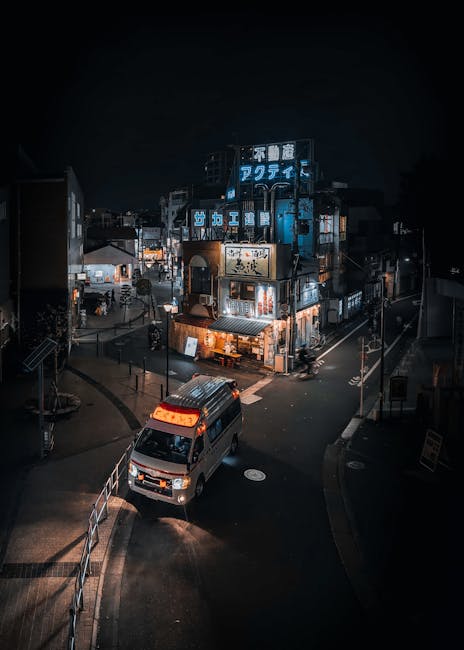
Perhaps the most important lesson is to leave room for serendipity. My most memorable moment wasn’t at a UNESCO site. It was in a small town near Mt. Takao, where I stumbled upon a matsuri (festival) I never knew was happening. I was pulled into a circle dance by laughing grandmothers, fed unknown grilled treats, and felt a sense of community no guidebook could ever schedule. The schedule is your skeleton; let spontaneous discovery be the flesh.
The Future of the Getaway: Beyond the Golden Route
The landscape of day trips is evolving. With the expansion of rail passes and a growing desire for sustainable, spread-out tourism, places further afield are becoming accessible. The Hokuriku Shinkansen now makes a day in Kanazawa—with its sublime Kenrokuen Garden and preserved geisha districts—a feasible dream from Tokyo. The rise of niche tourism means people are traveling for specific passions: pottery trails in Bizen, whiskey tasting in Fuji Gotemba, or hiking the lesser-known sections of the Nakasendo trail.
The future, I believe, lies in these connective, thematic journeys. It’s not just “a day trip to a place,” but “a day immersing in a craft,” “a day walking a historical path,” or “a day tasting a terroir.” The infrastructure makes it possible; our curiosity makes it meaningful.
Wrapping Up the Journey
Tokyo will always be a universe unto itself, a city that never finishes revealing its secrets. But its true gift is its position as a launchpad. The day trip is the essential counterbalance—a reminder that Japan’s soul is multifaceted. It’s in the moss-covered stones of a mountain temple, the steam rising from a volcanic onsen, the taste of a freshly grilled ayu sweetfish by a river, and the silent awe of standing before a centuries-old giant Buddha.
So, on your next visit, or even if you’ve called Tokyo home for years, do this: buy a train ticket to a station you can’t pronounce. Get off without a firm plan. Follow a small path. Accept a sample from a shopkeeper. Miss the “must-see” spot and find your own. The country is waiting for you, just beyond the last stop on the Yamanote Line, ready to tell you a different story. All you have to do is take the first step out the station door.