The Fleeting Heart of Japan: A Personal Journey Through Sakura Season
I still remember the first time I truly saw them. It wasn’t my first trip to Japan, but it was the first time I’d planned an entire two-week vacation around a weather forecast. I’d spent months obsessively refreshing the Japan Meteorological Corporation’s sakura zensen—the cherry blossom front map—watching the predicted wave of pink creep north from Kyushu. My target was Kyoto’s Philosopher’s Path, and by the time I arrived, the Somei Yoshino trees were in full, glorious bloom. But it wasn’t the visual spectacle alone that struck me. It was the atmosphere—the quiet reverence of an elderly couple setting up a picnic mat at dawn, the giddy laughter of office colleagues sharing sake under the boughs after work, the way the entire city seemed to operate on a different, softer frequency. In that moment, I stopped being a tourist with a camera and became a student of hanami, the art of flower viewing. This isn’t just about pretty trees; it’s about understanding a cultural heartbeat.
More Than Petals: The Soul of Sakura
To call the cherry blossom a national symbol of Japan is to undersell it profoundly. It’s a philosophical framework, an aesthetic principle, and a seasonal ritual woven into the very fabric of life. Its history is deep, stretching back to the Nara Period (710-794), when the aristocracy first began celebrating ume (plum) blossoms, later shifting their affection to the native sakura. The samurai class of the feudal era saw in the blossom a perfect metaphor for their own bushido code: a life of brilliant beauty cut tragically, heroically short. The blossom’s brief tenure—often just a week from full bloom to scattering (sakura fubuki, or “cherry blossom blizzard”)—echoes the Buddhist concept of mono no aware, a poignant awareness of the impermanence of all things. This isn’t a morbid fixation, but rather a deep appreciation for the fleeting moment, urging you to be fully present.
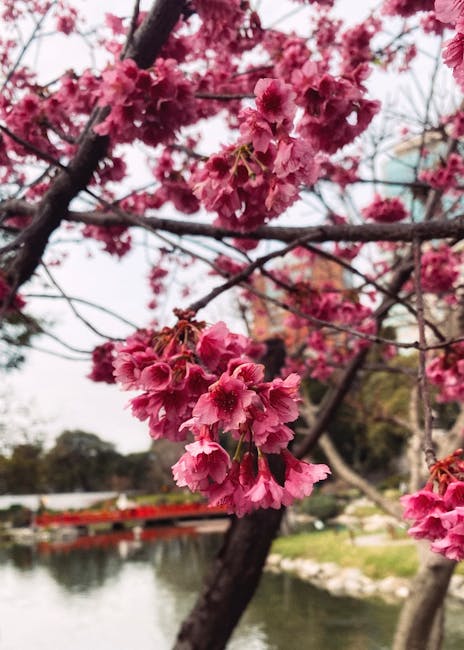
This historical weight transforms the modern hanami party. The blanket spread under the trees isn’t just for lunch; it’s a temporary claim on a piece of beauty, a communal agreement to pause. You’ll see salarymen, students, families, and grandmothers all participating in the same ritual. The food itself is seasonal poetry: sakura mochi (pink rice cakes wrapped in a pickled cherry leaf), bento boxes arranged like gardens, and of course, cups of sake or beer. The chatter is part of it—the sound of life being lived directly under the symbol of life’s transience. To experience hanami is to participate in a centuries-old, nation-wide meditation on beauty and time.
The Delicate Science of the Bloom: Chasing the Zensen
Planning a trip around sakura is an exercise in humble optimism. You are at the mercy of nature, fine-tuned by meteorology. The blooming period (kaika) is triggered by a complex dance of winter chill and spring warmth. The trees need a period of dormancy in the cold; once that requirement is met, a sustained rise in temperature coaxes the buds awake. This is why the bloom sweeps north like a wave, typically starting in subtropical Okinawa in January and reaching Hokkaido by early May.
The Japan Meteorological Corporation and private weather services release multiple forecast maps starting in January. These are your bible. But here’s the crucial lesson I learned the hard way: “Full bloom” (mankai) is not a single day. It’s a peak condition that may last only 2-4 days before wind and rain begin the scattering process. Furthermore, “full bloom” in a sun-drenched park in Tokyo happens days earlier than for trees in a shaded Kyoto temple courtyard. My mistake on an early trip was fixating on the mankai date for a city and expecting uniform perfection. I arrived in Tokyo on the stated “full bloom day” to find the iconic trees around the Imperial Palace already shedding petals, while Shinjuku Gyoen, just a train ride away, was at its absolute peak.
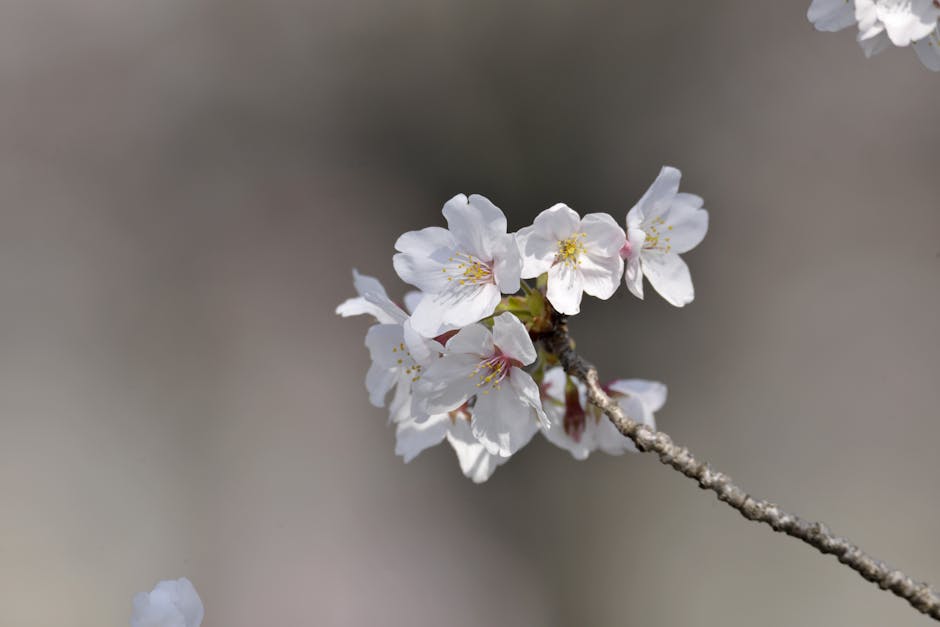
The best strategy is to track the kaika (first bloom) date and plan to arrive 5-7 days after that for a given location. This gives you a buffer to catch the ascent to perfection. And always, always have a Plan B location—a higher elevation spot or a later-blooming variety like the Yaezakura (double-flowered cherry)—in your back pocket.
Beyond the Picnic Blanket: Real-World Applications of Sakura Culture
The influence of sakura extends far beyond the parks. It’s a powerful economic and social engine. The “cherry blossom economy” is a massive seasonal boost, with tourism, hospitality, and retail all surging. Limited-edition sakura products flood the market, from Starbucks lattes and Kit-Kats to cosmetics and electronics. Companies hold client hanami parties, and schools often start their new academic year just as the blossoms open, making the sight inseparable from memories of new beginnings.
But the application I find most fascinating is in agriculture and food science. The pickled cherry leaf (sakura no ha), used to wrap sakura mochi, has a distinctive aromatic, slightly salty flavor. This isn’t a random choice. The leaves are harvested in early summer, salted and aged, a process that develops coumarin, a fragrant organic compound. The entire culinary tradition is a form of seasonal preservation, a way to capture the essence of spring and enjoy it months later. Similarly, sakura tea, made from pickled blossoms, allows you to drink in the season long after the petals have fallen.
On a societal level, hanami serves as a great social equalizer and a pressure valve. The formal, hierarchical structures of Japanese office life soften under the blossoms. It’s acceptable—expected, even—for a junior staffer to pour a drink for their boss in this setting. The shared, transient beauty creates a temporary zone of relaxed camaraderie that strengthens social bonds.
The Advantages and the Inevitable Crowds
The advantage of centering a trip on sakura is unparalleled access to this beautiful, communal aspect of Japanese culture. You’re not just sightseeing; you’re participating in a living tradition. The atmosphere in cities is uniquely festive and gentle. The photography opportunities, from macro shots of dewy petals to wide shots of castle moats framed in pink, are legendary.
The disadvantages, however, are significant. Crowds. Every famous spot will be packed. Getting a prime picnic spot in Ueno Park or along the Meguro River requires a dawn mission or a delegated blanket-holder. Accommodation prices skyrocket and book out months, sometimes a year, in advance. The weather is also famously fickle—a single day of heavy rain or a strong wind can turn your dream of mankai into a soggy carpet of fallen petals. There’s a real risk of disappointment if your expectations are too rigid.
I often compare it to seeing the autumn colors in New England or visiting Venice during Carnevale. You are trading exclusivity and spontaneity for the energy of a peak cultural moment. An alternative is to visit during the shinryoku (fresh green) season in late spring, just after the blossoms fall. The landscapes are stunningly verdant, the crowds thinner, and the weather pleasant. But you miss the specific, electrifying hanami buzz.
A Personal Case Study: Kyoto’s Hidden Rhythm
One of my most cherished sakura memories involves a lesson in lateral thinking. I was in Kyoto during a forecast-perfect bloom. The main sites—Maruyama Park, Kiyomizu-dera—were a beautiful but overwhelming sea of people. On a whim, I decided to ditch the map one very early morning and simply wander the backstreets of the Higashiyama district.
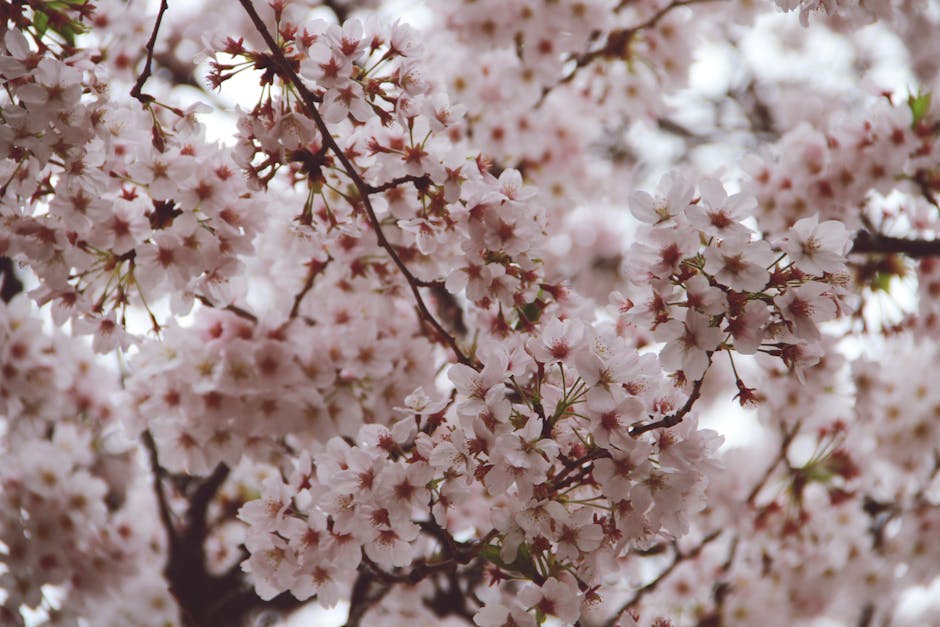
Down a silent, stone-paved lane, away from the tour groups, I found a single, magnificent tree leaning over a traditional wooden wall. It was in full bloom, and with no one else around, I could hear the almost imperceptible pat-pat of petals letting go and drifting to the moss below. A local shopkeeper came out to sweep her step, gave me a small nod, and said, “Kirei desu ne” (It’s beautiful, isn’t it?). That shared, quiet moment of appreciation felt more authentically hanami than any crowded park party. It taught me that while the famous spots define the postcards, the soul of sakura often resides in the unexpected, quiet corners.
Common Pitfalls and How to Navigate Them
- The Single-Site Obsession: Don’t pin all your hopes on one park or temple. Cities have multiple viewing spots. Research a list and be prepared to move.
- Ignoring the Forecast After Arrival: The weather can change rapidly. A warm, sunny day can accelerate the bloom; a cold snap can hold it. Check daily forecasts and adjust your plans. If rain is coming, see the blossoms in the morning or visit covered locations like the Heian Shrine garden in Kyoto.
- Underestimating the Cold: Spring in Japan, especially early in the bloom further north, can be surprisingly chilly, especially at night for illuminations (yozakura). Layer up.
- Poor Picnic Planning: If you’re going to do a proper hanami, don’t just show up with convenience store snacks. Either reserve a spot at a tea house adjacent to a garden, or go all in: get a proper picnic blanket (tarps are common for damp ground), pre-order a beautiful hanami bento, and bring hand warmers and extra plastic bags for trash (you must take everything with you).
- Forgetting the Night View: Yozakura is a completely different experience. Places like Tokyo’s Chidorigafuchi or Hirosaki Castle are illuminated, creating a magical, ethereal world. The crowds often thin out a bit, too.
The Future: Blossoms in a Changing Climate
There’s an undeniable anxiety among sakura aficionados and scientists alike: climate change. Warmer winters and erratic spring weather are disrupting the delicate chill-warmth cycle. Bloom times have become increasingly unpredictable and, on average, are shifting earlier. There are concerns about the stress on the trees themselves, particularly the ubiquitous Somei Yoshino, which are all clones propagated from a single tree and may lack genetic resilience.
The future of sakura culture may involve a greater appreciation for diverse, later-blooming, and hardier native varieties. It will certainly require even more sophisticated forecasting models. But I also believe it will reinforce the core philosophy of mono no aware. The increasing fragility of the bloom may make the annual celebration even more poignant and urgent—a reminder to cherish not just the flowers, but the stable climate that allows them to follow their ancient rhythm.
Final Thoughts
Chasing the cherry blossom is more than a bucket-list item. It’s a practice in patience, flexibility, and mindful appreciation. It has taught me to read weather maps like a poet, to find joy in both the crowded festival and the silent, petal-strewn lane, and to understand that the most beautiful moments are often the ones most keenly aware of their own end. My advice is this: do the meticulous planning. Book early, track the forecasts, study the varieties. But once you’re there, standing under that canopy of pink, let all that preparation go. Just be present. Feel the collective pause, taste the seasonal salt on the mochi, watch the petals spiral down. In that fleeting week, Japan offers a masterclass in how to live—vividly, joyfully, and with full awareness that now is the time. The blossoms will fall. But that’s precisely the point.