The Mountain That Watches: A Lifelong Obsession with Japan’s Fuji-san
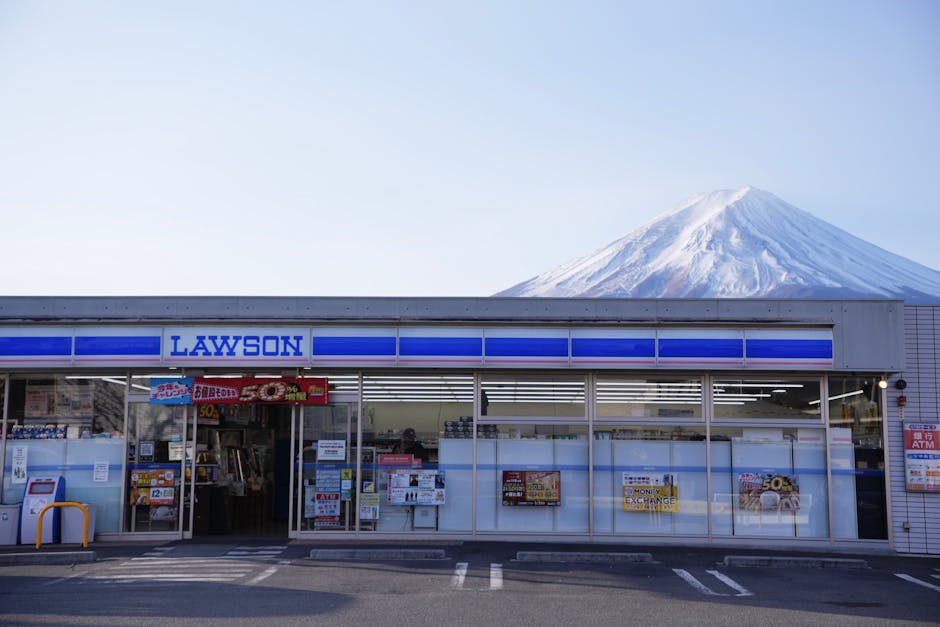
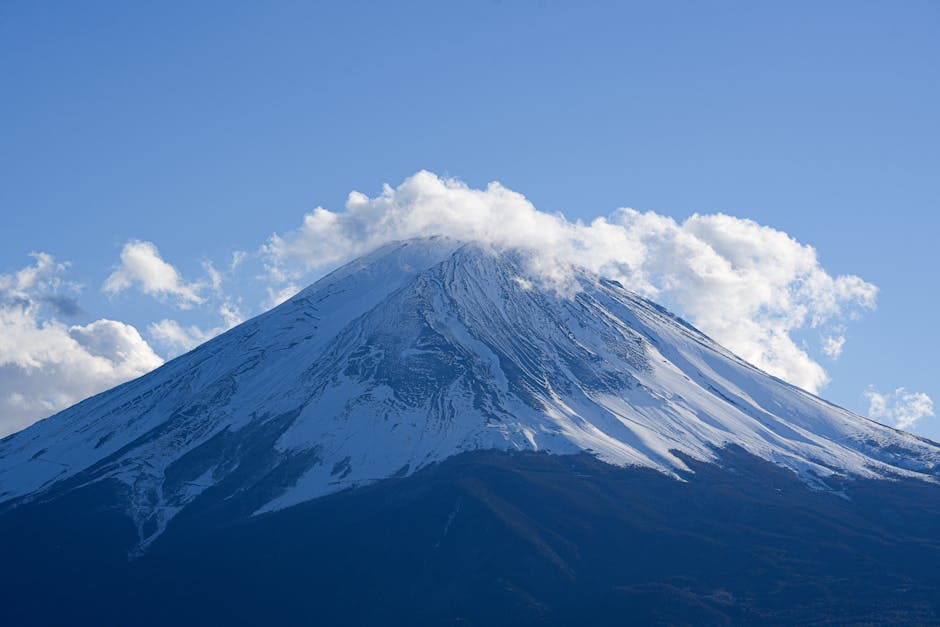
My first memory of Mount Fuji is not from a postcard or a textbook, but from the window of a shinkansen hurtling from Tokyo to Kyoto. It was a crisp November morning, and there it was—a sudden, perfect, snow-capped cone floating serenely above a messy tapestry of suburban sprawl and distant hills. It didn’t look real. It looked like a divine stamp pressed onto the landscape, an idea of a mountain more than a geological fact. In that fleeting three-minute window as the bullet train raced past, a quiet obsession was born. I’ve since seen Fuji from every conceivable angle: from the bustling streets of Shinjuku, from the shores of Lake Kawaguchiko, from the deck of a boat on the Five Lakes, and, most intimately, from its own rocky, arduous slopes. This isn’t just a mountain; it’s a cultural heartbeat, a spiritual compass, and a profoundly personal challenge.

More Than a Peak: The Soul of a Nation
To understand Mount Fuji, you must first forget it’s a mountain. For over a millennium, it has functioned as a sacred entity. In the Shinto tradition, it’s kami—a spirit or deity. In Buddhism, it became a path to ascetic enlightenment. The ancient practice of Fuji-kō saw pilgrims, often led by a guide called an oshi, undertake arduous journeys to worship the mountain. They believed that by ascending Fuji, they were symbolically entering a pure land, a realm of the divine. This spiritual DNA is still palpable today. At the 5th Station, the usual starting point for the modern climb, you’ll find the serene Fujisan Hongū Sengen Taisha, a shrine that once managed all pilgrimages to the summit. The climbers you see in the pre-dawn darkness, their headlamps forming a serpentine line of light up the slope, are part of a lineage that stretches back centuries.
The mountain’s perfect, solitary form has made it an irresistible muse. It saturates ukiyo-e woodblock prints, most famously in Hokusai’s Thirty-Six Views of Mount Fuji, where the mountain is a constant, changing presence—framed by a wave, glimpsed through a barrel-maker’s shop, or towering over travelers on a windy plain. It’s in literature, from the 8th-century Manyoshu poetry to modern haiku. This cultural embedding means that for the Japanese, Fuji is both a spectacular natural feature and a deeply internalized symbol of beauty, endurance, and national identity. Climbing it isn’t just a hike; it’s a touchstone experience, a participatory act in a long-running cultural story.
The Mechanics of the Ascent: A Seasonal Dance
Fuji is a dormant stratovolcano, last erupting in 1707. Its climbing season is brutally short, officially from early July to mid-September. This isn’t arbitrary bureaucracy; outside this window, the mountain is a frozen, treacherous place. The climb itself is a logistical and physical puzzle.
There are four main trails—Yoshida, Subashiri, Gotemba, and Fujinomiya—each with a different character. The Yoshida Trail, starting from the Yamanashi Prefecture side, is the most popular and consequently the most crowded. It’s also the best-serviced, with the most mountain huts. The Subashiri Trail is quieter, with a beautiful forested section, while the Gotemba Trail is the longest and least crowded, known for its vast, desolate volcanic scree slopes called sunabashiri.
The standard strategy is a “bullet climb” (bulletto kuraimu): take a bus to the 5th Station (~2,300m) in the afternoon, climb to a mountain hut near the 7th or 8th Station by evening, attempt to sleep for a few hours, then wake around midnight to summit for the sunrise—the legendary goraikō. The theory is sound; the practice is a surreal cocktail of exhaustion, altitude, and collective human endeavor.
The Real-World Summit: Triumph, Traffic, and Trash
Let me paint you a real picture from my first summit, via the Yoshida Trail. The climb from the 5th to the 7th Station hut was a pleasant evening stroll, the air cool, the mood jovial. The “sleep” in the hut was a fitful, fully-clothed, spooning-with-strangers affair on a communal tatami mat. At 1 AM, we were roused. Stepping outside, the world had transformed. A conga line of hundreds of headlamps stretched upwards into the inky blackness, moving with a slow, rhythmic pulse. The air was thin and cold. The climb became a literal step-by-step process, often stopping completely in “human traffic jams” at narrow or steep sections. The final hour to the summit crater rim, just before dawn, was a test of pure will, fought against nausea from mild altitude sickness and legs that felt like lead.
And then, you crest the rim. You find a spot among the hundreds of others, huddled in the freezing wind, and wait. The horizon begins to glow—peach, then gold. As the sun breaks, a wave of applause and soft cheers ripples across the summit. In that moment, every ache is forgotten. You’re standing on the roof of Japan, watching the day begin over a sea of clouds, the shadow of Fuji stretching perfectly across the land below. It’s magical.
But the magic has a footprint. The sheer volume of climbers (over 200,000 per season) creates immense strain. The “bullet climb” culture leads to dangerous altitude sickness cases. And then there’s the trash. While much improved due to concerted efforts and a mandatory ¥1,000 conservation fee, the mountain still bears the scars of mass tourism. Descending the Gotemba Trail, I’ve walked past fields of litter—oxygen canisters, food wrappers, broken gear—a sobering reminder of the impact we have. The summit itself, once a sacred, austere place, is now dotted with souvenir shops and a post office. It’s a jarring, fascinating clash of the spiritual and the commercial.
Lessons from the Slopes: What My Boots Have Taught Me
Through multiple ascents on different trails, I’ve learned what the guidebooks often gloss over.
- The Trail Chooses You: Don’t default to Yoshida. If you crave solitude and a physical challenge, Gotemba is your trail. If you want a balanced mix and a beautiful forest approach, choose Subashiri. Crowds fundamentally alter the experience.
- Altitude is a Sneaky Foe: The biggest mistake I see is people underestimating it. You can be supremely fit and still get hit with headaches, dizziness, and nausea. The best practice is to climb slowly (hyokkori hyōjunjō—“slow and steady wins the race”). Hydrate relentlessly, and consider spending two nights on the mountain to acclimatize if you can afford the time and hut fees.
- Gear is Non-Negotiable: This is an alpine environment. I’ve seen people in sneakers and jeans, shivering uncontrollably. You need sturdy, broken-in hiking boots, thermal layers, a windproof and waterproof outer shell, gloves, a headlamp, and a hat. The summit at dawn is often well below freezing, even in August.
- The Descent is the Real Killer: Everyone prepares for the ascent. But the descent—often on loose, steep scree—is brutal on your knees and toes. Trekking poles are a lifesaver, and good technique (leaning back, digging your heels in) is crucial.
- It’s Okay to Turn Back: The summit is not worth a life. Weather can change in an instant. If you feel severe altitude sickness, if a storm rolls in, or if your body is screaming no, listen. The mountain will always be there.
The View from the Other Side: Fuji vs. Other Peak Experiences
How does Fuji stack up against other iconic climbs? It’s less technically demanding than something like the Inca Trail to Machu Picchu, which involves more significant altitude over multiple days. It lacks the raw wilderness of summiting a peak in the Rockies or the Alps. Its uniqueness lies in its cultural orchestration. It’s a managed, social, almost ritualistic event. You’re not a solitary explorer; you’re one thread in a very long, very human tapestry. The reward isn’t just the view; it’s the shared, silent understanding among the hundreds of bedraggled, triumphant souls at the top, sipping hot soup from the summit hut, that you’ve all completed a rite of passage.
The Future of the Sacred Mountain: Preservation at a Crossroads
Fuji faces a classic paradox: its cultural significance draws the crowds that threaten its physical and spiritual integrity. The future hinges on sustainable management. The UNESCO World Heritage designation, granted in 2013 not just for natural beauty but as a “Cultural Heritage” site, has helped focus efforts and funding. There’s talk of more strictly limiting climber numbers, perhaps through a lottery system like those used for Mount Everest or Angkor Wat. Mandatory educational briefings on etiquette and conservation are becoming more common.
The most hopeful trend I’ve seen is the rise of the “sideways” appreciation of Fuji. More people are forgoing the grueling climb to explore the Fuji Five Lakes region, hike the surrounding trails like the Aokigahara Sea of Trees (respectfully and with a guide), or visit the many museums and onsens with stunning views. This shift from conquering the mountain to communing with it feels closer to the original spirit of the Fuji-kō pilgrims.
A Final Reflection from the Crater’s Edge
On my last visit, after the sunrise crowds had dispersed, I walked the circumference of the summit crater, a two-hour hike in its own right. At the highest point, Ken-ga-mine, I looked down into the vast, silent caldera. The wind was the only sound. In that moment, stripped of the crowds and the commercialism, I felt a sliver of what the ancient pilgrims sought—a profound stillness, a sense of scale that shrinks your ego, and a direct connection to something immense and timeless.
Mount Fuji is not a checklist item. It’s a conversation. It speaks of geology and gods, of art and endurance, of national pride and personal limits. It challenges you physically and rewards you with a perspective that lingers long after the muscle soreness fades. To know Japan, you don’t have to climb Fuji. But to understand the potent blend of reverence, resilience, and organized chaos that defines so much of this country, there’s no better teacher than the patient, perfect mountain that watches over it all. Just remember to pack your gloves, take it slow, and leave nothing behind but your footprints.