The Unseen Architecture: Why Osaka’s Streets Are Its True Masterpiece
I didn’t fall for Osaka in a temple or a castle. It happened on a backstreet in Namba, around 1 AM, standing in a puddle of neon reflection, holding a takoyaki that was still too hot to eat. The steam from the octopus ball mingled with the humid night air, and as I fumbled with the toothpick, I looked down the narrow lane. It wasn’t just a street; it was a living, breathing organism. Vending machines hummed, salarymen laughed from tiny bars, the scent of grilling meat and stale beer wove through the chatter, and a cat watched it all from a stack of empty beer crates. That’s when it clicked. Osaka’s soul isn’t contained in its landmarks—it’s engineered into its streets. They are the city’s central nervous system, its social contract, and its greatest innovation.
Forget the orderly grid of Kyoto or the sprawling neon canyons of Tokyo. Osaka’s street network is a different beast entirely. It’s a dense, organic, seemingly chaotic web that has evolved over centuries from its mercantile roots as Japan’s kitchen. This isn’t an accident of poor planning; it’s a masterclass in emergent urban design, where function has dictated form in the most human way possible. After a dozen trips and months spent wandering its alleys, I’ve come to see these streets not as pathways, but as destinations in themselves.
From Merchant Tracks to Social Arteries: A Brief, Messy History
To understand Osaka’s streets, you have to start with water. The city was built on a delta, a maze of rivers and canals that made it a natural hub for trade. In the Edo period, this “Venice of the East” became the nation’s rice market. Wealth wasn’t hoarded by samurai here; it was generated by merchants. And merchants need places to meet, deal, and, crucially, eat after a long day of haggling.

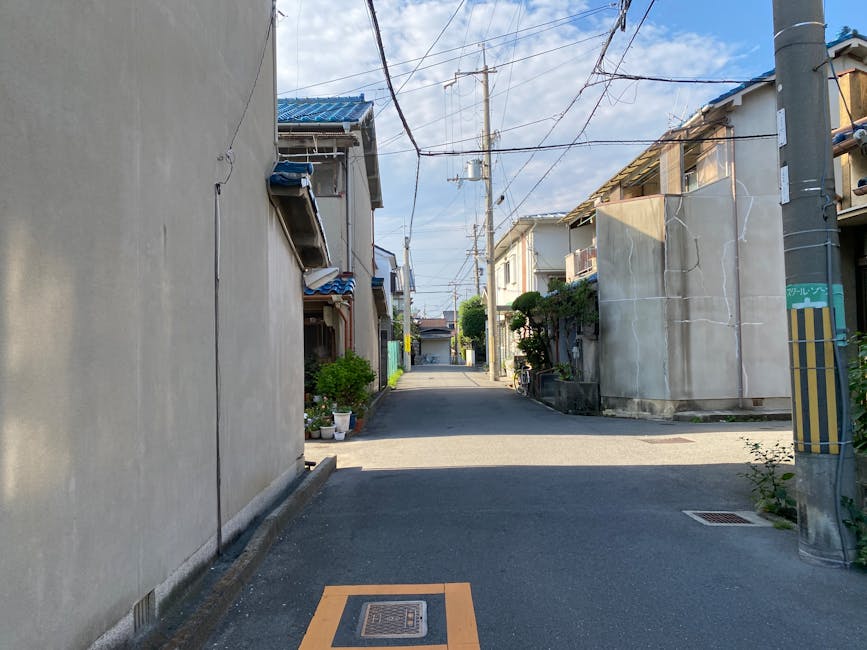
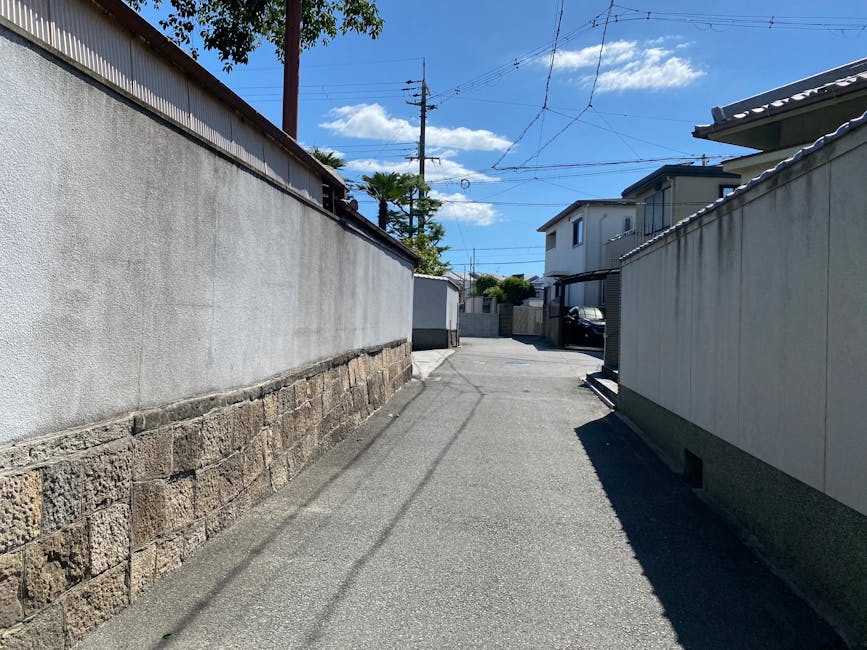
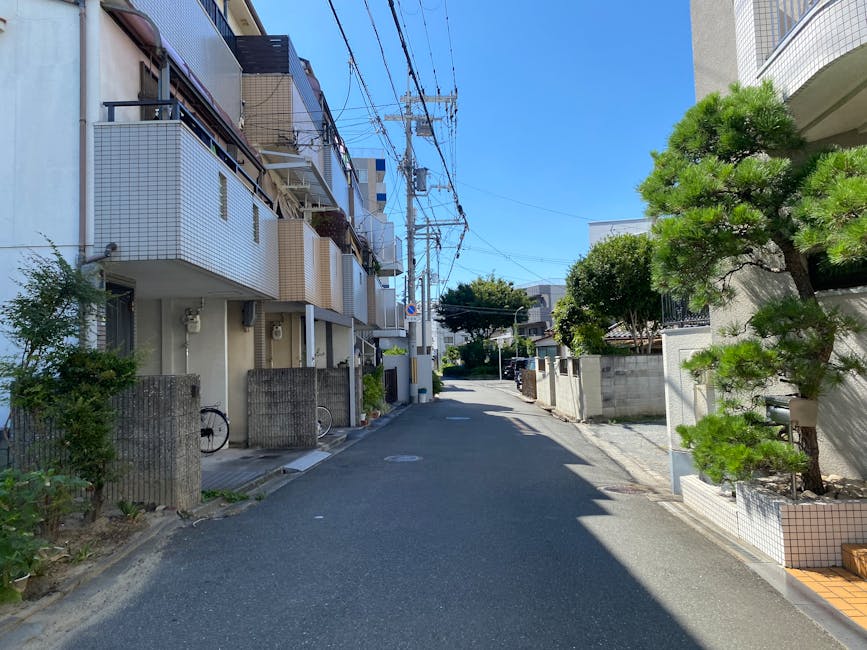
The street layout in neighborhoods like Namba and Shinsaibashi grew organically from this commercial reality. Wide main thoroughfares like Mido-suji were later impositions, grand Parisian-style boulevards cut through the city in the 20th century. But the real magic happens in the roji—the backstreets and alleys that branch off them. These were the service lanes, the delivery routes, and the spillover spaces for shops. Over time, they became something more: semi-private public spaces. A shopkeeper might put out a couple of stools, start selling sake, and a tiny bar (akachochin, named for the red lanterns that mark them) was born. The street wasn’t just for transit; it was an extension of the home and business.
This historical context is vital. It explains the palpable sense of community you feel in a yokocho (alleyway) like Shinsekai’s Janjan Yokocho or the network of lanes behind Hozen-ji Temple. The low eaves, the close quarters, the shared utilities—they forced interaction and fostered a culture of openness and immediate hospitality that defines Osakan character to this day. The street is the living room.
The Blueprint of Buzz: How Osaka’s Street Ecosystem Actually Works
On a technical, urban planning level, what makes an Osaka street “work” is its multi-layered functionality and human scale. It’s a system built on layers:
The Ground Floor Contract: Building fronts are almost universally open and active. Shutters roll up completely, blurring the line between inside and outside. The kitchen is at the front, the dining counter faces the street. This isn’t just aesthetics; it’s an invitation and a performance. You smell the okonomiyaki before you see it. You hear the sizzle. The commerce is transparent and sensory.
The Vertical Compression: Buildings are narrow and tall. This creates an incredible density of offerings within a small walkable radius. You can go from a standing noodle bar to a vintage jeans shop to a specialist knife store in fifty paces. This compression creates choice and serendipity, encouraging exploration rather than point-to-point travel.
The Traffic Hierarchy (or Lack Thereof): In the core roji, the pedestrian is sovereign. Cars move at a crawl, if at all. Bicycles weave through with a quiet, practiced grace. Delivery scooters park in impossibly tiny gaps. It’s a negotiated dance, not a regulated system. Eye contact and a slight nod do the work of traffic lights. This slow pace is what allows life to spill out onto the pavement.
The 24-Hour Layer Cake: The function of a street changes with the time of day. A narrow alley might be a quiet vegetable delivery route at 6 AM, a bustling lunch spot at noon, a shopping lane at 4 PM, and a vibrant drinking strip at 10 PM. The same 100 square meters of asphalt serves multiple communities across 24 hours, maximizing utility and sustaining a round-the-clock economy.

Real-World Applications: More Than Just a Pretty Alley
This street design philosophy has profound practical effects that I’ve observed firsthand.
Safety in Eyes and Activity: Jane Jacobs’ “eyes on the street” theory is in full force here. Because ground floors are active and streets are busy at all hours, there’s a natural, informal surveillance. Walking down a dim roji in Osaka at night often feels safer than walking down a deserted, wide suburban street because there’s always a light on, someone washing dishes, or a group of friends chatting. The community self-polices through presence.
The Incubator Effect: The low overhead (tiny spaces, basic infrastructure) and high foot traffic make these streets perfect incubators for small businesses. That’s why you find generations-old kushikatsu stalls next to a third-wave coffee shop opened by a young entrepreneur. The barrier to entry is physical space, not just capital. This creates an incredibly dynamic and innovative retail and food scene.
Social Cohesion: In a famously private society, Osaka’s streets provide a pressure valve. The tachinomiya (standing bar) is a perfect example. It’s a social equalizer—salarymen, students, and artists stand shoulder-to-shoulder. Conversations strike up easily because you’re all participating in the same street-level ritual. I’ve had some of my most memorable conversations with strangers in these spaces, something that happens less frequently in more formal, seated environments.
The Trade-Offs: It’s Not All Perfect Takoyaki
This model isn’t without its disadvantages, something you appreciate after staying a while.
The Chaos Tax: For newcomers, it can be overwhelming and disorienting. Navigation is a challenge; addresses are famously unhelpful. “Go past the blue vending machine, turn left at the plastic crab, it’s next to the bar with the yellow curtain” is a real set of directions. This organic growth doesn’t lend itself to logical order.
Accessibility and Density Pains: The very narrowness that creates intimacy is a nightmare for wheelchair access or moving furniture. The density can feel claustrophobic, especially in summer humidity. The constant hum of activity, while energizing, means true quiet is a rare commodity in the central wards.
Fragility: This ecosystem is delicate. It relies on small-scale ownership and a culture of street life. The pressures of modernization, rising land values, and corporate development (see the more sterile areas around Osaka Station) pose a real threat. When a beloved yokocho is replaced by a glass-fronted department store, you don’t just lose buildings; you lose a piece of the social fabric.
A Personal Case Study: The Lesson of Doguyasuji
My favorite classroom has been Doguyasuji, the “Kitchenware Street.” Initially, I went as a tourist, dazzled by the plastic food models and giant sushi chef knives. But on repeat visits, I saw its deeper function.

One afternoon, I watched a young man, maybe in his late twenties, carefully choosing a single, high-quality usuba (vegetable knife). He wasn’t a tourist. He was in chef’s whites, on a break. The shop owner, an older man with forearms like knotted rope, didn’t just sell it to him. He asked what he’d be cutting, felt his grip, and spent twenty minutes showing him the correct sharpening angle on a whetstone. This wasn’t a transaction; it was a mentorship. The street wasn’t just a sales channel; it was a conduit for passing down craft. It connected the apprentice in a new restaurant in Umeda with the master sharpener whose family had had a shop there for 60 years. That connection, that transfer of tacit knowledge, happens because of the street’s design—the open front, the proximity, the culture of interaction. You’d never get that on Amazon.
Compared to What? Tokyo’s Order and Kyoto’s Reserve
The contrast with Tokyo is stark. Tokyo’s brilliance is often vertical and internal—the hidden cocktail bar on the 8th floor, the pristine department store basement food hall (depachika). Discovery is often behind a door, up an elevator. In Osaka, it’s all horizontal and outward-facing. The treasure is on the ground, in your face. Tokyo can feel like a series of magnificent, compartmentalized boxes. Osaka is one sprawling, interconnected workshop.
Kyoto, with its grid and deep sense of history, feels more reserved. Its beauty is often behind walls, in private gardens and temples. The street is a respectful corridor to those private wonders. In Osaka, the street is the wonder. It’s boisterous, unpretentious, and demands participation.
Pitfalls for the Uninitiated (And How I Stumbled Into Them)
- Walking and Eating: I made this classic gaijin mistake early on. In many parts of Japan, eating while walking is considered messy. In Osaka’s roji, it’s more accepted, but there’s an etiquette. The rule of thumb I learned: if you buy takoyaki or kushikatsu, you eat it right there, next to the stall. You dispose of your sticks and plate on the spot. Don’t just wander off with it. It respects the vendor’s space and keeps the narrow streets clean.
- Assuming “Empty” Means “Closed”: A shuttered front during the day might be a thriving bar at night. Conversely, a place packed at 7 PM might be a lunch-only spot. Use your eyes: look for the lanterns, the menu outside, the stacks of crates. Activity breeds activity.
- Trying to “Conquer” It: The biggest mistake is to treat an area like Dotonbori as a checklist. The point isn’t to see the Glico Man, eat at Ichiran, and leave. The point is to get lost. Turn down the alley that smells like stew. Pop into the standing bar with two stools. Let the street dictate the journey. My best Osaka memories have no name on Google Maps.
The Future: Preservation by Participation
The future of Osaka’s streets is uncertain. Economic pressures are real. But what gives me hope is the fierce local pride. The 2019 Osaka Street Master plan by the city government actually started to recognize the value of these micro-spaces, talking about “street-level activation” and supporting small businesses—a tacit acknowledgment that the old, organic way had genius worth preserving.
The best thing anyone can do, visitor or resident, is to participate in the ecosystem. Buy from the small stall, not just the famous chain. Sit at the counter. Learn a few phrases of Kansai-ben. The vitality of these streets depends on engagement. They are not a museum exhibit; they are a living conversation.
Final Thoughts: The Street as Teacher
Osaka taught me to look at cities differently. It taught me that efficiency isn’t always about speed and straight lines; sometimes, it’s about density, serendipity, and the number of human connections per square foot. The true architecture of Osaka isn’t in its steel and glass; it’s in the worn asphalt of its roji, the glow of its red lanterns, and the informal agreements between everyone who shares that space.
So, if you go, don’t just look up at the signs. Look down the alley. Follow the cat. Accept the offered stool. The street isn’t just how you get somewhere in Osaka. It’s where you are. And honestly, it’s the only place you really need to be.