The Heartbeat of Fandom: Inside the Chaotic, Wonderful World of Pokemon Center Japan

I still remember the first time. It wasn’t just a store; it was a sensory overload of pure, distilled joy. The hum of excited chatter in Japanese, the soft, pastel glow of custom lighting, the towering Pikachu statue that seemed to welcome you with a permanent, cheerful grin. This was the Pokemon Center in Ikebukuro, Tokyo, and for a lifelong fan who’d only ever experienced Pokemon through a Game Boy screen or a handful of trading cards from a local comic shop, it felt like stepping through a portal. I wasn’t just buying a plushie; I was making a pilgrimage.
For over two decades now, Pokemon Center Japan has been more than just the company’s flagship retail arm. It’s the physical heart of the franchise, a cultural touchstone, and a masterclass in brand experience that goes far beyond simple commerce. Having navigated its crowded aisles, strategized for limited editions, and felt both the thrill of victory and the agony of a sold-out tag, I’ve come to see it as a fascinating ecosystem. It’s a place where business, fandom, and art collide, often with chaotic and delightful results.
From Humble Beginnings to Retail Phenomenon: A Pocket Monster’s Home
The story starts in 1998. Pokemon was exploding in Japan, a phenomenon dubbed “Pocket Monster Shock.” The games were hits, the anime was a ratings juggernaut, and kids everywhere were desperate for stuff—official stuff. Nintendo and Creatures Inc. (co-owners of The Pokemon Company with Game Freak) opened the first Pokemon Center in the Sunshine City mall in Ikebukuro. It was a straightforward concept: a one-stop shop for officially licensed merchandise. But its success was immediate and overwhelming.
What’s crucial to understand is the context. Before the Centers, getting official merch was a scattered affair—a few items in department stores, maybe something from a toy specialist. The Pokemon Center centralized it, legitimized it, and, most importantly, themed it. Each location, as the chain expanded to major cities like Osaka, Yokohama, and Kyoto, began to develop a unique personality. The Tokyo DX store in Nihonbashi is a sleek, futuristic hub. The one in Skytree Town is airy and light, reflecting its location. The Kyoto store incorporates traditional Japanese craft motifs into its exclusive merchandise. This wasn’t cookie-cutter retail; it was world-building.
The model evolved from a simple store into what I call a “Fandom Hub.” It’s where you go to:
- Secure the Exclusive: Pokemon Center Japan-exclusive merchandise is its lifeblood. These aren’t just plushes with a different tag. We’re talking about regional variants of merchandise—a Kimono-wearing Pikachu in Kyoto, a Yokai-inspired Gengar in Sendai, or a collaboration with a famous Japanese artist. The exclusivity creates urgency and a tangible reason to visit specific locations.
- Participate in Events: It’s a venue for card game tournaments, meet-and-greets with anime voice actors, and early screenings. During a visit to the Osaka store, I stumbled upon a small but intense Pokemon Trading Card Game tournament. The concentration in the room was palpable, a stark contrast to the giggling children in the plushie section. It showcased the brand’s reach across ages.
- Experience the Atmosphere: This is the intangible magic. The custom music, the life-sized statues of starters and legendaries, the themed decor that changes with seasons or new game releases. You’re not in a mall; you’re in a Pokemon Center.
The Engine Behind the Joy: A Technical Ballet of Scarcity and Hype
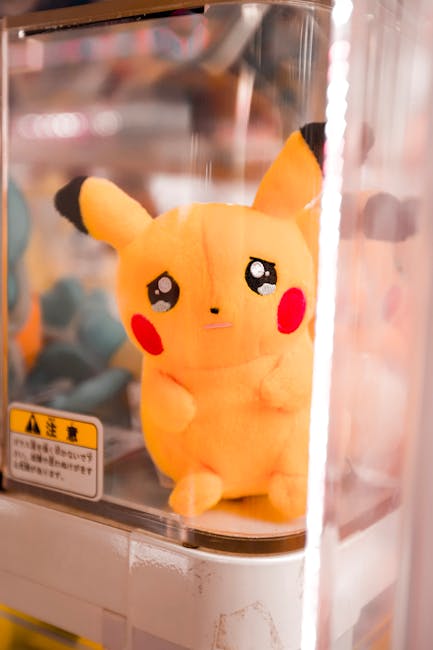
So, how does this machine actually work? On the surface, it’s retail. But underneath, it’s a brilliantly managed exercise in supply chain psychology and fan engagement.
First, the product lifecycle. It starts with a major game release or anime season. The Centers get a full thematic overhaul. Walls turn scarlet and violet, or are adorned with motifs from the latest region. Then comes the merchandise wave: standard plushes, keychains, and stationery for the general roster, and the coveted “Center Original” items for the new starters and legendaries. These originals are often higher quality, with unique materials or poses.
Then comes the limited release. This is where the frenzy hits. Information is strategically dripped through the official Pokemon Center website and social media. A silhouette tease on Monday, a full reveal on Wednesday, a release date for the following Saturday. For the biggest items—like a sleeping Eevee evolution plush series or a collaboration with a brand like Sanrio—this creates a perfect storm. Lines form hours before opening. The online store, which operates on a lottery system for high-demand items, crashes under the traffic.
I learned this the hard way. My first major chase was for a large, incredibly soft “Yuyake” (sunset) Pikachu plush. I saw the announcement, thought “I’ll just pop in after lunch,” and arrived to a line snaking around the block and a polite but firm “Sold Out” sign. The system is designed to reward the dedicated, the informed, and the strategic. It can feel brutal, but that scarcity is precisely what gives the items their value in the eyes of collectors.
The online lottery system is a fascinating beast. For the most hyped releases, you don’t just add to cart. You enter a drawing during a specified window. If you win the lottery, you get the right to purchase the item. It’s a way to manage server strain and, in theory, combat bots. In practice, it turns a purchase into an event, a tiny game of chance before you even secure the product.
More Than a Store: Real-World Applications of a Fandom Ecosystem
The influence of Pokemon Center Japan extends far beyond its own walls. It’s a case study with applications anyone in branding, retail, or community management can learn from.
1. Creating Authentic Community Spaces: In an age of digital isolation, the Centers are physical gathering points. I’ve seen fans trading cards by the entrance, cosplayers meeting for photo shoots in front of the statues, and parents bonding with children over a shared love of a specific Pokemon. It’s a safe, welcoming space built around a common passion. Other franchises attempt this with pop-ups, but Pokemon Center Japan’s permanence makes the community feel stable and recognized.
2. Driving Tourism: For international fans like myself, a visit to a Pokemon Center is a non-negotiable part of a Japan itinerary. The Kyoto and Osaka stores are as much a destination as Kiyomizu-dera or Dotonbori. They understand this, offering foreign-language maps and tax-free shopping. They’ve successfully positioned themselves as a cultural destination within a destination.
3. The Art of the Collab: Pokemon Center Japan doesn’t just collaborate; it curates. The partnership with the venerable textile brand Ginza Motoji to create Pokemon-themed furoshiki (wrapping cloths) wasn’t just slapping Pikachu on fabric. It was about respecting a traditional craft and finding a genuine aesthetic synergy. These collaborations introduce Pokemon to new, often older, demographics and elevate the brand beyond “kids’ stuff.”
The Double-Edged Pokeball: Advantages and Inevitable Frustrations
Let’s be real: the system isn’t perfect. Its greatest strengths are also its most significant pain points.
Advantages:
- Unmatched Quality and Uniqueness: The “Center Original” merchandise is consistently well-made. The fabrics are softer, the stitching is cleaner, and the designs are often more creative than worldwide releases.
- Immersive Experience: No other Pokemon retail experience comes close. The theming is total commitment.
- Cultural Insight: You get merchandise that reflects Japanese tastes and trends, from kawaii aesthetics to seasonal motifs like hanami (cherry blossom viewing) or fuyu (winter).
- Investment Potential: While I don’t encourage buying solely for profit, certain limited-edition Center items can appreciate significantly on the secondary market, a testament to their desirability.
Disadvantages:
- The Frenzy: The hype can be exhausting. It turns a relaxing shopping trip into a military operation requiring pre-dawn wake-ups and constant website refreshing.
- The Heartbreak of Missing Out (FOMO): Nothing stings like seeing that sold-out tag or losing an online lottery. For fans on a tight travel schedule, it can be a genuine disappointment.
- The Scourge of Scalpers: The system, despite lotteries, is plagued by resellers who use bots to hoard stock and flip it online for triple the price. It prices out genuine fans and poisons the community spirit.
- Accessibility for International Fans: While the online store ships within Japan, international fans must rely on proxy shopping services (which add fees and complexity) or physically be there.
A Case Study in Chaos and Charm: The “Gigantamax Eevee” Plush Drop
My most vivid personal saga involves the Gigantamax Eevee plush. This wasn’t just a plush; it was a behemoth—nearly three feet of fluffy, blissed-out Eevee. The announcement broke, and the fanbase went nuclear.
My strategy was two-pronged: online lottery and in-person backup. I entered every family member’s name into the lottery (and lost all of them). So, Plan B: I was in Tokyo for work and carved out a morning. I arrived at the Shibuya store two hours before opening on a rainy Tuesday. I was about 50th in line. The atmosphere was a mix of camaraderie and tense silence. We were all in this together, yet we were all competitors for a finite resource.
When the doors opened, it was a calm, orderly procession. The staff were pros, directing traffic. I got inside, heart pounding, and saw them—a stack of gigantic Eevee boxes on a central podium. The line snaked directly toward it. I made it, secured my prize, and the wave of relief and triumph was absurdly powerful for an adult buying a stuffed animal. The plush now sits proudly in my home office, a trophy not just of fandom, but of a successfully executed, mildly stressful plan. It’s a story every person in line that day has. That’s what they’re selling: stories.
How It Stacks Up: Pokemon Center vs. The World
The natural comparison is the Pokemon Center Online for the West (North America, Europe). The difference is stark. The Western online store has improved but often feels like a warehouse distributor. The merchandise is frequently simpler, the releases are less frequent, and the sense of event is minimal. There’s no physical hub with the same scale or thematic depth. You buy a plush; you don’t experience anything.
Then there’s general anime/game merch stores like Animate or Kotobukiya. They carry Pokemon goods, but it’s a slice of a larger pie. You lose the focused immersion and the exclusive “Center Original” lines. The experience is transactional.
Pokemon Center Japan’s real competition is itself—its own ability to manage hype, satisfy demand, and maintain the quality of the experience against the pressures of its own success.
Pitfalls for the Unwary Traveler (And How to Dodge Them)
After multiple trips and a few hard lessons, here’s my survival guide:
- Pitfall 1: Assuming You Can “Just Pop In.” For new releases or weekends, you can’t.
- Avoidance: Check the official website’s news section before your trip. For big releases, be prepared to line up at least 90 minutes before opening on a weekday, much earlier on weekends.
- Pitfall 2: Underestimating Size and Weight. Japanese packaging is beautiful but bulky. That large plush is bigger than you think.
- Avoidance: Pack a foldable duffel bag in your suitcase specifically for Pokemon haulage. Seriously.
- Pitfall 3: The Tax-Free Trap. The tax-free process requires showing your passport and the items being sealed in a special bag. You’re not supposed to open it until you leave Japan.
- Avoidance: Do your tax-free shopping last, or be prepared to keep those precious items sealed until you’re at the airport.
- Pitfall 4: Ignoring the Online Lottery. For the biggest items, in-person is a huge gamble.
- Avoidance: If you have a trip planned, use your hotel’s address to enter the online lottery for items releasing during your stay. It’s your best shot.
The Future: Beyond the Brick-and-Mortar

So, where does it go from here? The model is proven, but the world is changing. I see a few paths:
- Enhanced Digital Integration: Imagine AR features in the store—using your phone to see a Pikachu dancing on a statue or unlocking a digital clothing item in Pokemon GO or Pokemon Unite with a physical purchase. The line between physical merch and digital experience will blur.
- More “Localized” International Expansion: Rather than just an online store, I could see smaller-scale, experience-focused Pokemon Centers opening in major global cities, perhaps as pop-ups that rotate themes, testing the waters for permanent locations that capture some of the Japanese magic.
- Deeper Community Tools: Integrating the Pokemon Trainer Club account with Center purchases for loyalty rewards, exclusive online lotteries for global fans, or members-only early access periods.
- The Scalper War: The biggest challenge. More robust lottery systems, purchase limits strictly enforced at checkout, or even a move toward a made-to-order model for certain high-demand items could help reclaim the experience for fans.
The core of Pokemon Center Japan’s future success, however, will remain what it has always been: understanding that they aren’t selling products; they’re curating joy, facilitating community, and offering a tangible piece of a world we all love. It’s a business, yes, but it’s run with a fan’s heart. As long as that balance holds—between commercial savvy and genuine celebration of the franchise—the lines will keep forming, the lotteries will keep filling, and fans like me will keep planning entire trips around the chance to walk through those doors, hear that familiar jingle, and get our hands on a piece of the magic, chaos and all. It’s more than a store. It’s the closest thing we have to a real-world Pokemon Gym, where the challenge isn’t battle, but procurement, and the badge is the receipt for a plush you’ll cherish for years.