The Soul of Japan: An Insider’s Guide to the Art of the Ryokan
My first real encounter with a ryokan wasn’t planned. I was a university student, backpacking through Japan on a shoestring budget, staying in capsule hotels and business inns. I’d seen the beautiful photos, of course—the serene gardens, the tatami mats, the elaborate kaiseki meals—but I’d filed them away as an expensive experience for “later,” something for a honeymoon or a big anniversary. Then, a missed train connection in a small town in the Japan Alps left me stranded for the night. The only place with a vacancy was a family-run ryokan that had seen better days, its sign faded but its entrance swept clean.
What happened over the next 18 hours didn’t just change my trip; it recalibrated my entire understanding of Japanese hospitality, or omotenashi. It wasn’t about luxury in a Western sense. It was about intention, space, and a profound quietness that seeped into my jet-lagged bones. The elderly okami (proprietress) didn’t just check me in; she guided me through the rituals, showing me how to wear the yukata, explaining the bath schedule. The meal, served in my room, was simple for a ryokan but was still a masterpiece of local, seasonal ingredients I’d never heard of. I slept on a futon laid directly on the tatami, and for the first time in weeks, I slept deeply, lulled by the scent of straw and cypress wood. I left feeling not just rested, but respectfully cared for. I was hooked.
Since that night, I’ve sought out ryokan experiences wherever I’ve traveled in Japan, from the famous hot spring towns of Hakone and Beppu to hidden gems on remote coasts and in mountain passes. I’ve learned that a ryokan is not merely a place to sleep; it’s a portal to a slower, more mindful way of being. It’s a living museum of aesthetics and etiquette, and engaging with it properly is one of the richest cultural experiences Japan has to offer.
More Than an Inn: The Historical Heart of Hospitality
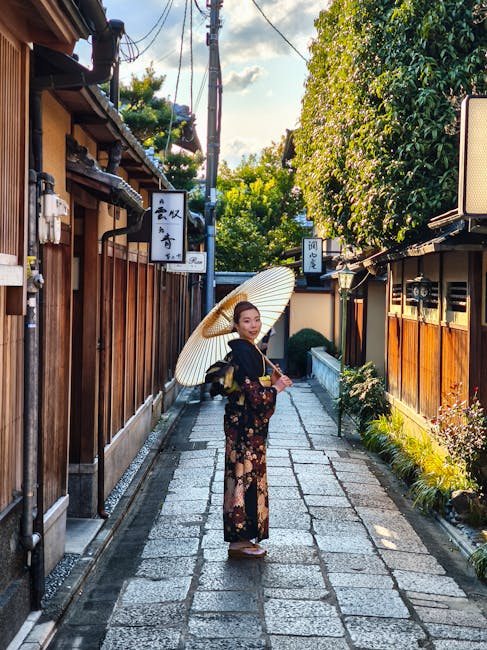
To understand the ryokan, you have to step back in time. Its origins lie in the honjin and hatago of the Edo period (1603-1868)—official lodgings for feudal lords and more basic inns for samurai and commoners traveling along the great highways like the Tokaido. These were not just pit stops; they were vital nodes in a network, offering rest, security, and news. The ethos was one of total provision. The traveler surrendered themself to the care of the house.
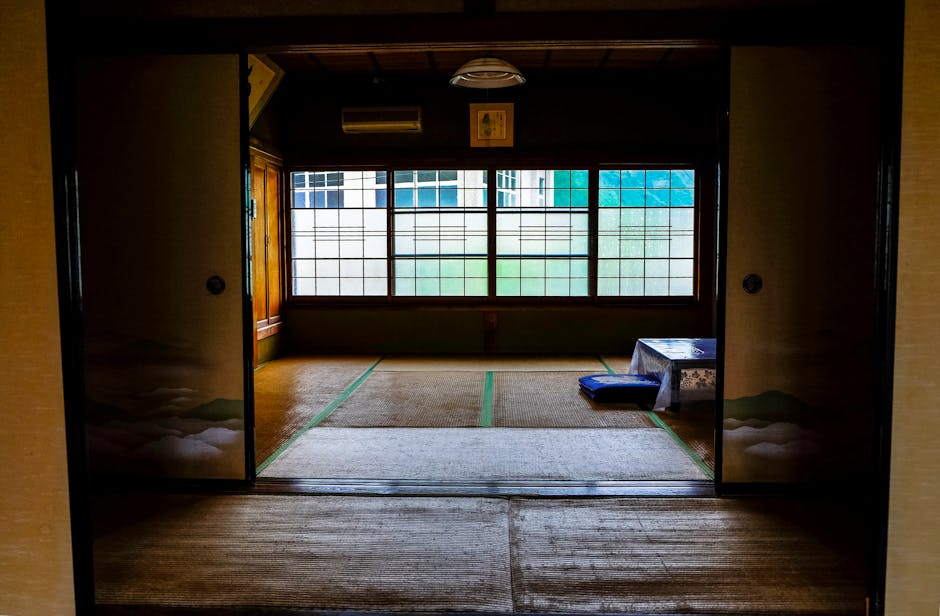
This historical DNA is still present. The modern ryokan, especially the traditional ones, are heirs to this philosophy. The architecture follows principles of wabi-sabi (the beauty of imperfection and transience) and integration with nature. Sliding paper shoji screens, tatami mat flooring measured in standard jo, alcoves (tokonoma) for displaying a scroll and a seasonal flower arrangement—every element is deliberate. It creates an environment that feels both expansive and deeply secure, a world apart from the clutter and noise of modern life.
How It Works: The Delicate Mechanics of Omotenashi
Staying in a ryokan is a participatory experience. You’re not a passive hotel guest; you’re a guest in a home, following a gentle, unspoken rhythm. Here’s how the typical flow works, a ballet of meticulous service I’ve come to cherish.
Arrival and Transition: You leave your shoes at the genkan (entryway), the fundamental boundary between the outside world and the inner sanctum. Slippers are provided for the wooden corridors. You’re shown to your room, which is typically sparsely furnished with a low table, cushions, and perhaps a legless chair (zaisu). The futons are stored in the closet. The okami or a nakai (room attendant) will serve you tea and a small sweet, often wagashi that reflects the season—a maple leaf in autumn, a cherry blossom in spring.
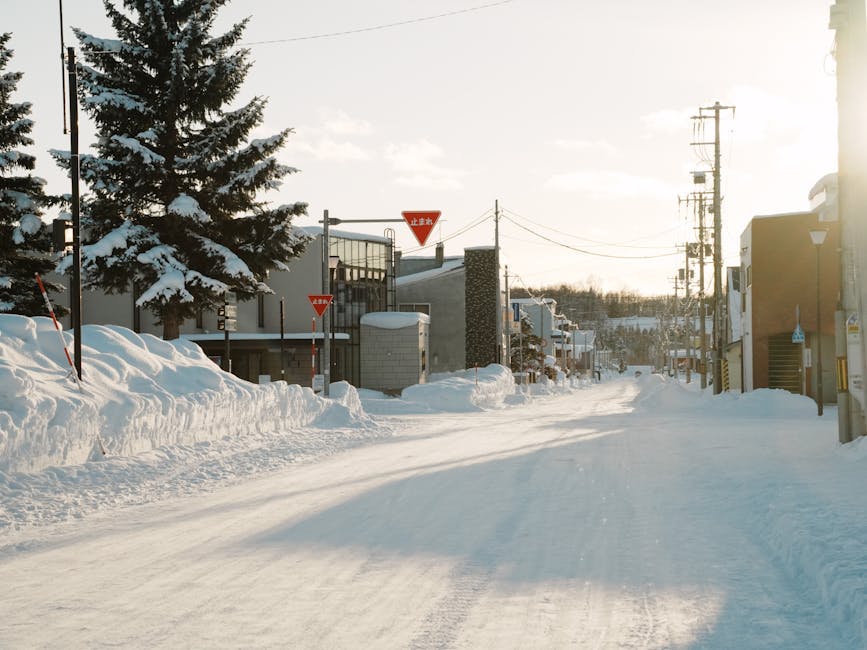
The Bath: A Ritual of Purification: The onsen (hot spring) or ofuro (deep bath) is central. The key rule, which I’ve seen many first-timers fumble, is that you wash thoroughly at the shower stations before you enter the shared bath. The bath is for soaking, not for soaping up. It’s a silent, meditative space. I’ve had some of my most profound moments of clarity sitting in a rotenburo (outdoor bath) as snow fell, the heat of the water meeting the cold air on my shoulders.
Kaiseki: Dining as a Seasonal Journey: Dinner is an event. Kaiseki is the pinnacle of Japanese haute cuisine, a multi-course meal that is a poem to the season and region. It’s not just food; it’s an art form on plates. A good nakai will explain each dish as she serves it: “This is the first bamboo shoot of the season, from the hills behind the inn,” or “The sashimi is today’s catch from the Sea of Japan.” I remember a winter meal in Hokkaido where a simple dish of grilled sawara (Spanish mackerel) with a dot of yuzu kosho was so explosively flavorful it made me pause. It’s as much a lesson in local ecology as it is a dinner.
The Night and Morning: After dinner, your nakai will clear the table and lay out the futons. Sleeping on the floor is surprisingly comfortable and wonderful for the back. The morning brings another exquisite meal, often a grilled fish, rice, miso soup, and various small sides—a hearty, balanced start to the day.
The Real-World Spectrum: From Time-Capsules to Modern Sanctuaries
Ryokan are not monolithic. They exist on a broad spectrum, and choosing the right one is part of the adventure.
- The Classic Time-Capsule: Places like Gora Kadan in Hakone or Tawaraya in Kyoto are legends. They are museums of living culture, where every detail is perfected over generations. The service is impeccable, often invisible. The price tag is high, but you’re paying for a piece of history and an unsurpassed level of craft. This is for a once-in-a-lifetime splurge.
- The Family-Run Onsen Ryokan: This is my personal sweet spot. Scattered across Japan’s countless hot spring towns (onsen), these are often 10-20 room establishments run by a family for decades. The atmosphere is warmer, sometimes a little quirky. The okami might chat with you over tea. I stayed in one in Kinosaki where the third-generation owner gave me a map of his favorite local ramen shops for lunch. The value here is phenomenal—you get the full ryokan experience with genuine, personal interaction.
- The Modern Minimalist: A newer breed, like Hoshinoya or some properties in the Seto Inland Sea, reinterpret the ryokan ethos with contemporary architecture and design. The tatami and futon might be there, but the lines are cleaner, the baths more sculptural. They focus on “detox” from digital life. They’re stunning and peaceful, though they can sometimes feel a bit cool compared to the organic warmth of a family-run place.
Weighing the Experience: The Joys and The Jitters
Advantages:
- Deep Cultural Immersion: It’s the closest you can get to experiencing traditional Japanese aesthetics and daily rhythms from the inside.
- Unparalleled Hospitality: Omotenashi is proactive, anticipating needs you didn’t know you had. It’s deeply human-centric.
- Connection to Nature and Season: From the food to the garden view, you are acutely aware of the time and place.
- Digital Detox: The environment naturally discourages frantic activity. You read, you soak, you talk, you stare at the garden. It’s a reset.
Disadvantages:
- Cost: A true, high-end ryokan with two kaiseki meals is expensive. You can find more affordable ones, but the full experience commands a premium.
- Rigidity: The schedule (dinner at 6, baths close at 10) and rules can feel restrictive if you’re used to the 24/7 flexibility of a hotel.
- Language and Etiquette Pressure: In more remote areas, English can be limited. The fear of committing a faux pas (like wearing your bathroom slippers onto the tatami) is real for newcomers.
- Lack of “Privacy” in Service: Some Western guests find the frequent room service for meals and futon preparation intrusive. It’s a different concept of personal space.
Lessons from the Tatami: My Missteps and Revelations
I’ve made my share of mistakes. Early on, I once wore my hallway slippers into the toilet room and then, forgetting, walked back out in the toilet slippers into the hallway. The gentle, horrified look from a passing maid is etched in my memory. I’ve also been the gaijin who showed up to a 6 PM dinner reservation at 6:15, throwing the entire kitchen’s delicate timing into disarray.
The biggest lesson? Surrender to the schedule. Don’t fight it. The ryokan day has a beautiful, purposeful cadence. Your job is to sync with it. Another key takeaway: Ask questions. If you’re unsure about how to wear the yukata (left side over right, always!), or what a certain dish is, just ask. Your nakai would far rather explain than watch you struggle. It shows respect for their culture.
One of my most cherished case studies is a small ryokan in Yoshino, known for cherry blossoms. I visited in the rainy, green off-season. The owner, seeing my interest in the empty sakura trees, brought out an album of photos from the spring and spent an hour telling me about the history of each tree on his property. The stay became not about what I was seeing, but about the stories embedded in the place. That’s the magic—it’s often in the unscripted, human moments.
Ryokan vs. The Alternatives: It’s Not a Competition
People often ask: Why choose a ryokan over a nice Western-style hotel or a trendy boutique hotel?
A Western hotel in Japan offers convenience, anonymity, and global standards. You know what you’re getting. A boutique hotel offers design and a curated vibe. But a ryokan offers a cultural narrative. It’s not just a bed; it’s a story about season, place, craft, and a specific philosophy of care. You don’t stay in a ryokan because it’s the most convenient option; you stay because you want to be transformed, however slightly, by its particular rhythm and grace. A night in a good ryokan is less like tourism and more like a short-term residency in a different way of life.
The Future: Tradition in a Modern World
The ryokan industry faces challenges: aging proprietors, succession issues, and the shifting demands of international travelers. But I’m optimistic. I see a fascinating evolution.
The smart ryokan are adapting without losing their soul. Many now have detailed English websites and online booking. Some offer “plans” without dinner for those who want to explore local restaurants. I’ve seen younger generations taking over and introducing subtle modern touches—excellent coffee in the morning, in-room Bluetooth speakers that blend with the décor, or onsen-friendly skincare products in the baths.
The core appeal, however, is timeless. In our hyper-connected, frantic world, the value of a space designed for quiet contemplation, of a meal that forces you to slow down, of the tactile pleasure of tatami and hot spring water, is only increasing. The future of the ryokan isn’t about becoming more like a hotel; it’s about preserving and communicating its unique, restorative language to a world that needs it more than ever.
Final Soak
My journey from that accidental night in the Alps to actively seeking out these havens has taught me that travel’s deepest rewards often lie in structured experiences that are foreign to us. The ryokan, with its rules and rituals, initially feels like a constraint. But within that framework is a profound kind of freedom—the freedom from choice, from planning, from the self-imposed pressure to “do” and “see.” It gives you permission to just be.
If you go to Japan, do yourself a favor: budget for at least one night in a ryokan. Don’t just tick it off a list. Read the room, listen to the explanations, soak until your fingers prune, savor each tiny dish, and sleep on the floor. Let its quiet, deliberate pace recalibrate your own. You won’t just have a place to sleep; you’ll collect a feeling, a texture, a moment of peace that, in my experience, stays with you long after you’ve reluctantly put your shoes back on at the genkan and stepped back into the rushing world.