The Heartbeat of Tokyo: Navigating the Enduring Magic of Tsukiji Outer Market
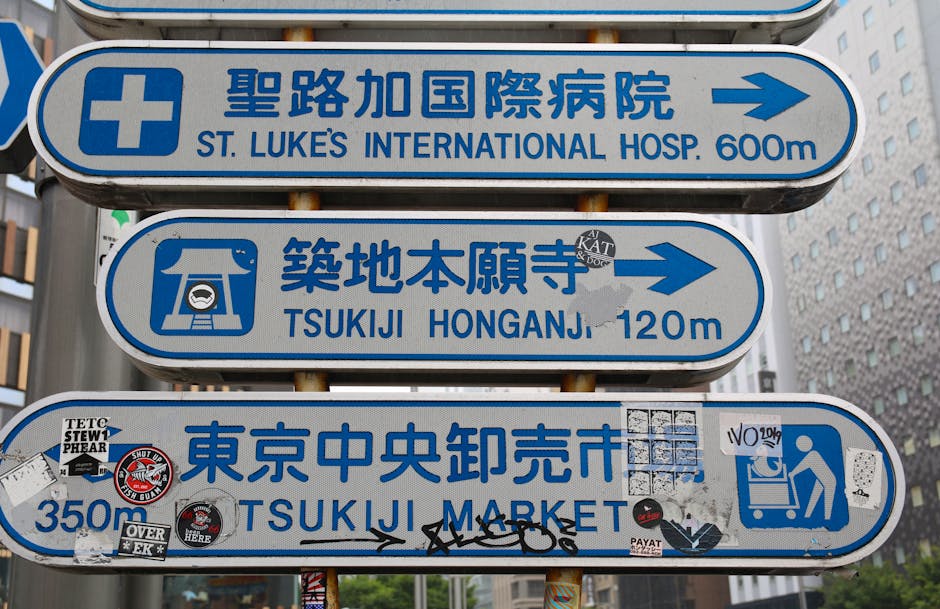
My first visit to Tsukiji Outer Market wasn’t planned. It was a jet-lagged stumble, a desperate search for coffee at 7 AM after a red-eye flight into Tokyo. What I found, spilling out from the shadow of the now-relocated inner wholesale market, wasn’t just caffeine. It was a sensory detonation. The sharp, briny scent of the sea, the sizzle of grills, the rhythmic thwack of knives, and a vibrant, chaotic energy that felt utterly alive. That stumble turned into a pilgrimage I’ve made dozens of times since. For me, Tsukiji Outer Market isn’t just a tourist destination; it’s a living, breathing lesson in Japanese food culture, resilience, and the art of the everyday sublime.
More Than Just Leftovers: The Historical Pulse of Tsukiji
To understand the Outer Market, you have to grasp what it grew alongside. For over 80 years, the Tsukiji Inner Market was the world’s largest wholesale fish market, a legendary, pre-dawn ballet of tuna auctions and frenzied commerce. The Outer Market, or Jōgai Shijō, was its symbiotic partner. It wasn’t for the giant wholesalers; it was for everyone else. Restaurateurs came for their daily supplies, locals did their grocery shopping, and a few savvy tourists found their way to its tiny sushi counters.
When the inner market moved to Toyosu in 2018, a seismic shift occurred. Many feared the Outer Market would wither, a ghost town living off memories. The opposite happened. It evolved, absorbing the mythic energy of its departed neighbor and becoming the primary custodian of the “Tsukiji” name. The stalls that remain aren’t relics; they are specialists who have survived decades of competition. That unagi (eel) shop grilling over binchotan charcoal? Third generation. The pickle vendor with 50 varieties of tsukemono? She’s been there since the Showa era. This isn’t a theme park recreation; it’s the real, condensed history of Tokyo’s shokunin (craftsman) culture, now standing proudly on its own.
How It Works: A Symphony of Specialization, Not Supermarkets
Forget the sterile, silent aisles of a supermarket. Tsukiji Outer Market operates on a principle of hyper-specialization and direct transaction. It’s a dense network of micro-enterprises, each a master of one thing.
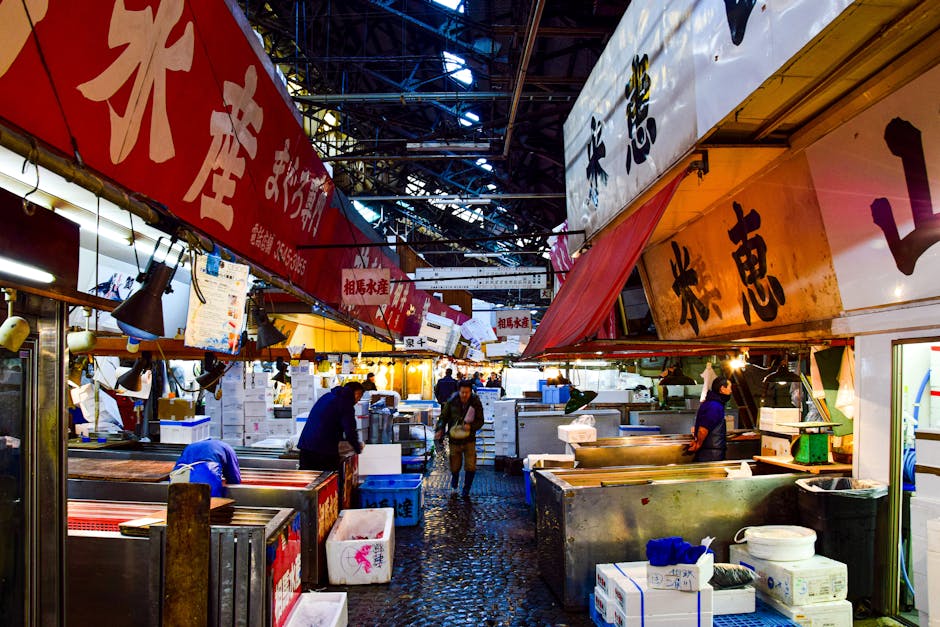
Walk down the main lanes, and you’ll see the public-facing side: sizzling crab legs, tamagoyaki (sweet omelet) samples on toothpicks, mountains of nori seaweed. But peek down the narrower cross-streets—the ones most visitors hurry past. Here’s where the real magic happens. You’ll find a shop that sells nothing but katsuobushi (dried, fermented bonito), the essential base for dashi stock. The owner will shave the wood-like block into delicate pink flakes right before your eyes, the aroma earthy and profound. Next door might be a wasabi vendor, fresh rhizomes alongside graters, explaining the difference between real hon-wasabi and the common horseradish substitute.
The “technical” explanation is simple: see it, smell it, ask about it, buy it. There are no barcodes. Pricing is based on season, quality, and relationship. The elderly fishmonger filleting a flounder with hypnotic precision isn’t performing for Instagram; he’s working at the speed and skill that supplies top-tier ryotei (traditional restaurants). When you buy from him, you’re buying a piece of that skill.
Real-World Applications: From Breakfast to Lifelong Memories
The application of Tsukiji Outer Market is deliciously direct: you eat. But how you eat there separates a quick stop from a transformative experience.
The Obvious Application: The Sushi Breakfast. Yes, you should have sushi at 9 AM at a place like Sushi Dai or one of its lesser-known but excellent neighbors. The fish here didn’t travel through multiple distribution centers; it often comes directly from Toyosu or trusted suppliers, hours out of the water. Eating otoro (fatty tuna) that melts with a sweetness you didn’t know fish could possess, while perched on a tiny stool, is a rite of passage.
The Deeper Application: Building a Japanese Pantry. My most treasured Tsukiji purchases aren’t meals, but ingredients. A vial of artisanal soy sauce from a 100-year-old producer in Wakayama. A bag of arare (tiny rice crackers) for topping salads. A specific type of kelp (kombu) from Hokkaido for making my own dashi. These shops are educational hubs. Tell the vendor you want to make proper miso soup, and they’ll guide you through the kombu, the katsuobushi, and the type of miso paste that suits your taste. It’s a personalized cooking class.
The Social Application: The Shared Experience. I’ll never forget introducing the market to a friend who claimed not to like seafood. We started with safe bets: a steaming bowl of chawanmushi (savory egg custard), a skewer of scallops basted in soy butter. Then, at a tiny oyster bar, he tried a freshly shucked Miyagi oyster. His eyes widened. “It tastes like the ocean… but sweet.” By lunch, he was tentatively trying sea urchin. Tsukiji has a way of converting people through sheer quality and context.
The Double-Edged Sword: Advantages and Inevitable Frustrations
Advantages:
- Unbeatable Quality & Freshness: For specific ingredients, especially dried goods, pickles, and certain cuts of fish, the quality and specialization are unmatched in Tokyo.
- Direct Access to Shokunin: You’re buying from the expert, not a retail clerk. The knowledge transfer is invaluable.
- Atmosphere: The chaotic, vibrant energy is authentic. It feels like a working market that welcomes visitors, not a curated tourist trap.
- Concentration: Everything you need for a Japanese feast is within a few hundred square meters.
Disadvantages:
- The Crowds: Post-Toyosu move, the Outer Market has become a victim of its own fame. Weekends and mid-mornings are a slow-moving river of people. The charm can be suffocated.
- Prices: It’s not inherently cheap. You pay for premium quality and location. That ¥1000 piece of tuna is worth it, but it’s not a budget meal.
- Diminishing “Local” Vibe: With the inner market gone, the proportion of tourists to chefs/local shoppers has shifted dramatically. Some stalls have pivoted entirely to tourist-friendly snacks (giant grilled crab claws, strawberry mochi), which, while tasty, dilute the market’s original character.
- Physicality: It’s crowded, often wet underfoot, and involves a lot of standing and jostling. Not for the faint of heart or those with mobility issues.
Lessons from the Trenches: A Personal Case Study in Timing and Exploration
My biggest mistake, repeated several times, was going at the wrong time. Showing up at 10 AM on a Saturday expecting a serene foodie experience is like expecting solitude in Times Square on New Year’s Eve. I’d leave overwhelmed, having only eaten from stalls with the shortest lines (not always the best strategy), and feeling like I’d seen nothing but the backs of people’s heads.
The breakthrough came when I started treating it like the market it once was. I began arriving at 7:30 AM on a weekday. The difference was night and day. The shops were just opening, the delivery trucks were making their last rounds, and the air was cool and clear. I could actually talk to vendors. I had my pick of sushi counter seats. I watched a shopkeeper meticulously arrange her pickles like jewels. I followed a local chef as he made his rounds, noting where he stopped—a surefire sign of quality.
One morning, at a small stall specializing in kamaboko (fish cakes), the elderly owner saw me looking curiously at a pink, spiral-shaped cake. Without a word, he sliced a thin piece, steamed it quickly, and handed it to me on a toothpick. It was delicate, slightly sweet, with a bouncy texture. “Sasa,” he said, pointing to the bamboo leaf pattern. That moment of silent, generous education—that’s the soul of Tsukiji you miss in the midday rush.
The Alternatives: When Tsukiji Isn’t the Right Answer
Tsukiji Outer Market is unique, but it’s not the only game in town.
- Toyosu Market: The successor to the inner wholesale market. It’s modern, clean, and has impressive viewing galleries for the tuna auction. But, it feels like a sterile fish factory. The transactional energy of Tsukiji is gone. There are few places to eat, and it’s awkwardly located. Go to Toyosu to see the scale of the industry; go to Tsukiji to feel its heart.
- Local Depachika (Department Store Basements): For sheer variety, beauty, and convenience, nothing beats the food halls of Takashimaya or Mitsukoshi. The quality is exceptionally high, presentation is an art form, and it’s climate-controlled. What you lose is the raw connection to the producer and the bustling market atmosphere.
- Ameyoko in Ueno: This market street has a grittier, more shouty, post-war energy. It’s fantastic for dried foods, spices, and a more eclectic, bargain-friendly vibe. It’s less seafood-centric and more general market.
Tsukiji’s advantage is its singular focus on food culture and its density of specialized artisans. It’s a culinary library where every shop is a masterclass in a single subject.
Common Pitfalls and How to Sidestep Them
- Pitfall: The Midday Marathon. Going when everyone else does.
- Avoidance: Go early. 7:30-9:30 AM is the golden hour. If you must go later, venture to the outer edges and side alleys.
- Pitfall: Only Eating at the Most Famous Spots. Queuing for 3 hours for sushi is a choice, but it’s not a necessary one.
- Avoidance: Look for smaller counters with a mix of locals and tourists. Often, the sushi chef at a less-famous spot has more time to interact with you. Don’t overlook the non-sushi options: a bowl of kaisen-don (seafood rice bowl) at a standing bar, or a set meal at one of the small shokudo (eateries).
- Pitfall: Being a Passive Observer. Just pointing and taking pictures.
- Avoidance: Engage. Ask “Kore wa nan desu ka?” (What is this?). Even simple questions open doors. Most vendors are proud of their craft and will happily explain.
- Pitfall: Expecting a Bargain. This is a place for quality, not cheapness.
- Avoidance: Budget for premium experiences. Spend your money on a few exquisite things rather than many mediocre snacks.
- Pitfall: Ignoring the Non-Seafood. The market is a treasure trove of kitchen essentials.
- Avoidance: Allocate time to explore the knife shops (like the legendary Masamoto), the ceramic stalls, and the dry goods vendors. These are often calmer and just as fascinating.
The Future: Preservation in the Face of Change
The future of Tsukiji Outer Market is a tightrope walk. The redevelopment of the vast former inner market site—now dubbed the “Tsukiji Tōro (Tiger) Project”—looms next door. Luxury hotels, condos, and a new arena are rising. There’s a palpable fear that the Outer Market will become a quaint, preserved island amidst glitzy modernity, its character further commodified.
But the market has survived relocation and a pandemic. Its strength is in its rootedness. The families who run these stalls aren’t going anywhere. The demand for their unparalleled expertise, from both a new generation of Tokyo chefs and discerning visitors, remains strong. The key will be whether the market can continue to balance its role as a living, working supply hub with its undeniable status as a global attraction. The hope is that the new development brings customers who appreciate the difference between a mass-produced souvenir and a hand-forged yanagiba (sushi knife), between frozen imitation crab and a freshly grilled uni (sea urchin) from Hokkaido.
Final Thoughts: A Living Classroom
Tsukiji Outer Market taught me that the best food experiences aren’t just about consumption; they’re about context. It taught me to appreciate the shokunin—the dedication in the hands of the man who spends 40 years perfecting the cut of a fish, or the woman who knows every batch of her family’s soy sauce. It’s a messy, loud, and sometimes frustrating place, but its imperfections are part of its authenticity.
My advice? Go with an empty stomach, curious eyes, and early morning resolve. Skip the giant crab claw if it doesn’t speak to you, and instead, seek out the quieter stall selling five exquisite varieties of tea. Have a conversation, even a broken one. Buy a single, perfect ingredient to take home. In doing so, you’re not just visiting a market; you’re participating in a centuries-old story of craft, quality, and community that continues to beat, stubbornly and beautifully, in the heart of modern Tokyo.